
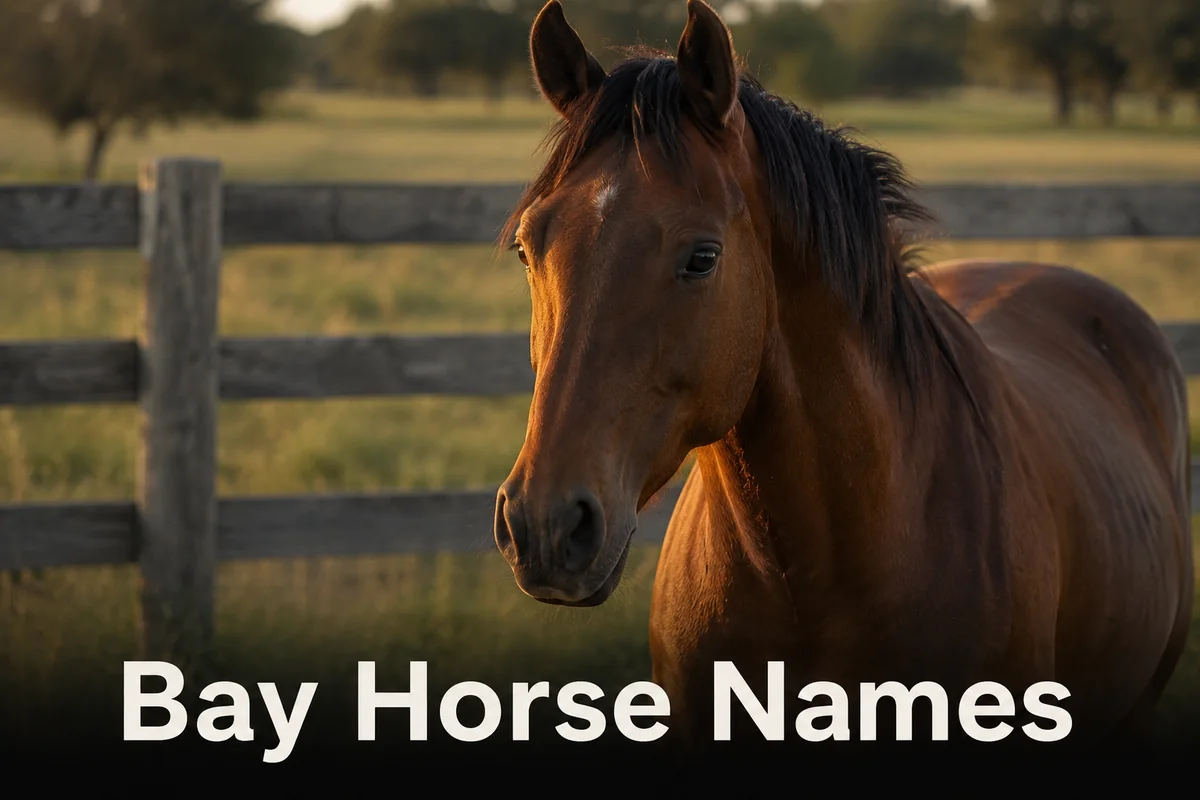
A bay horse has a reddish-brown to deep red-brown body with a black mane, black tail, and black lower legs, so the names that fit best either lean into that warm-dark contrast (Copperfield, Rowan, Onyx) or match the horse’s own temperament instead of chasing the coat at all.
Bay is the single most common coat color in the horse world, which is exactly why a name that actually fits yours is worth the extra ten minutes.
What Actually Makes a Horse “Bay”?
A lot of name lists skip this part, but it’s the thing that makes a name feel earned instead of random. Bay comes down to two genes working together: a black base coat gene, plus an “agouti” gene that pushes that black pigment out to the mane, tail, ears, and lower legs while letting the body come through in shades of red, brown, or near-black.
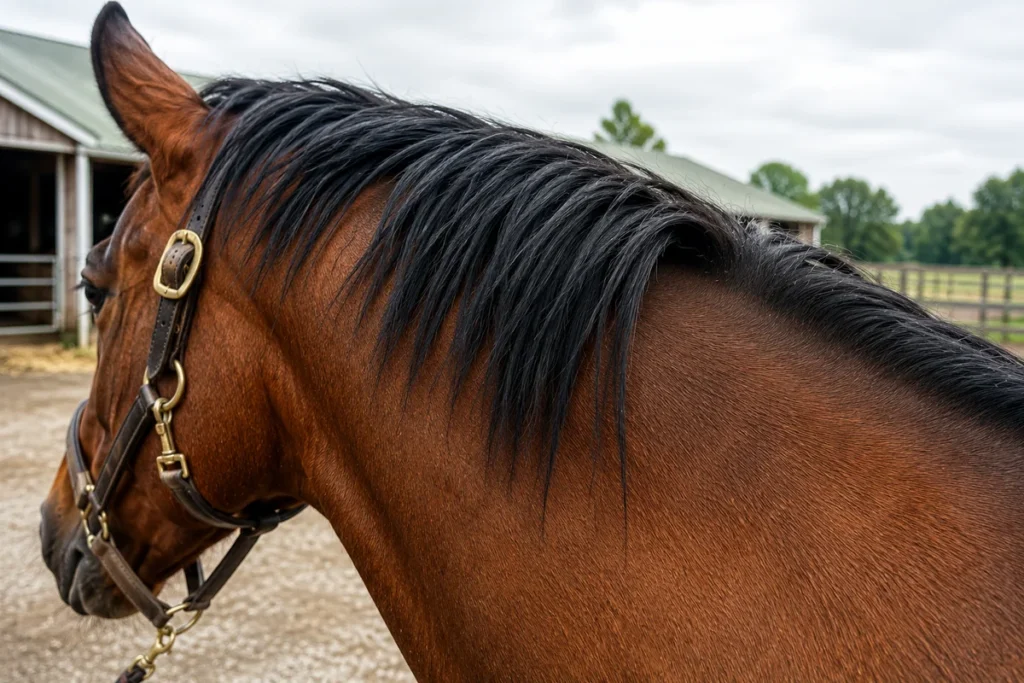
That’s why every bay, from a pale sandy one to an almost-black one, still has those matching black points. No agouti gene, and you’d just have a black horse.
This is also why bay gets confused with a few other colors constantly. A chestnut has a reddish body too, but no black points at all the mane and tail match the body or run lighter. A seal brown or dark bay can look nearly identical to black in winter coat, with the giveaway showing up as soft tan or reddish hairs around the muzzle, flank, and eyes.
If you’re still working out which category your horse actually falls into, it’s worth a look at what separates true black horses from a very dark bay before you commit to a name built around “black points.”
I’ve watched a barn argue for a solid ten minutes over whether a mare was a dark bay or a brown, and the answer changed the name they picked. Get the shade right first the name gets easier after that.
Bay Shades at a Glance
Not every bay looks the same, and the shade you’ve actually got should steer which name category below fits best.
| Shade | What It Looks Like | Names That Fit |
|---|---|---|
| Standard Bay | Warm reddish-brown body, black points | Copper, Sienna, Rowan |
| Dark Bay / Brown Bay | Deep brown-black body, tan muzzle giveaway | Bramble, Umber, Sable |
| Blood Bay / Red Bay | Bright, almost fire-red body | Garnet, Ember, Cardinal |
| Mahogany Bay | Deep, polished reddish-brown, near-purple in sun | Rosewood, Merlot, Claret |
Standard Bay Names
These fit the classic bay: a warm reddish-brown body against jet-black points. Nothing exotic, just names that sit comfortably on the most common coat in the barn.
- Copperfield – reddish shine, like a polished penny
- Sienna – the warm earth pigment bay is famous for
- Rowan – a tree with reddish bark and a sturdy trunk
- Foxglove – a nod to a fox’s warm red coat
- Bramble – tangled, earthy, and a little wild
- Marigold – warm orange-gold with a bright streak
- Cider – warm and autumnal, easy to say fast
- Hazelnut – warm brown with a rounded, friendly sound
- Wren – small, quick, and reddish-brown like the bird
- Tumbleweed – rolling, warm-toned, built for open country
- Rustan – invented but reads like “rust” plus “-an,” warm and modern
- Brindlewood – earthy, textured, a little rustic
- Copper Penny – classic and specific to the shine
- Foxfire – the reddish glow of a fox at dusk
- Persimmon – the orange-red fruit, sweet and bold
- Cognac – warm amber-brown, a little refined
- Autumn Ridge – seasonal warmth with a sense of place
- Redbud – the tree that blooms reddish-pink each spring
- Suede – soft, warm, and textured like the coat itself
- Cayenne – spicy red-brown with some heat behind it
- Terracotta – baked clay orange-red, earthy and grounded
- Honeywood – sweet and warm, easy on the ear
- Vixen – sharp and clever, a fox reference that reads bold
- Chai – warm spice tones, short and easy to call
- Foxtrot – a nod to both the animal and the dance
- Merida’s Ridge – a place-name feel with a warm color echo
- Brandywine – warm reddish-brown, a name with old-world weight
- Copper Ridge – grounded and warm at once
- Sundown – the reddish glow right before dark
- Chestnut’s Cousin – a wink at how often bay gets mixed up with chestnut
- Adobe – sun-baked clay, warm and solid
- Firewood – rustic, warm, and a little rough around the edges
- Ruston – invented, warm-sounding, works as a barn name
- Toffee Ridge – sweet and grounded together
- Cinnabar – a deep red mineral, striking and specific
- Rustler – playful, warm, a little mischievous
- Warmwood – simple and direct about the coat’s tone
- Copperline – a straight, confident sound
- Foxglen – soft, pastoral, and warm
- Duskwood – the warm brown right as light fades
- Brickyard – blunt, earthy, and a little tough
- Rustlight – warm and a touch poetic
- Coppertop – playful, direct, easy to shout across a field
- Amberglow – warm and radiant without being flashy
- Sablewood – blends the dark points with the warm body
If your horse actually leans more chestnut than bay no black points at all it’s worth cross-checking our chestnut horse names list before you settle on anything from this page.
Dark Bay and Brown Bay Names
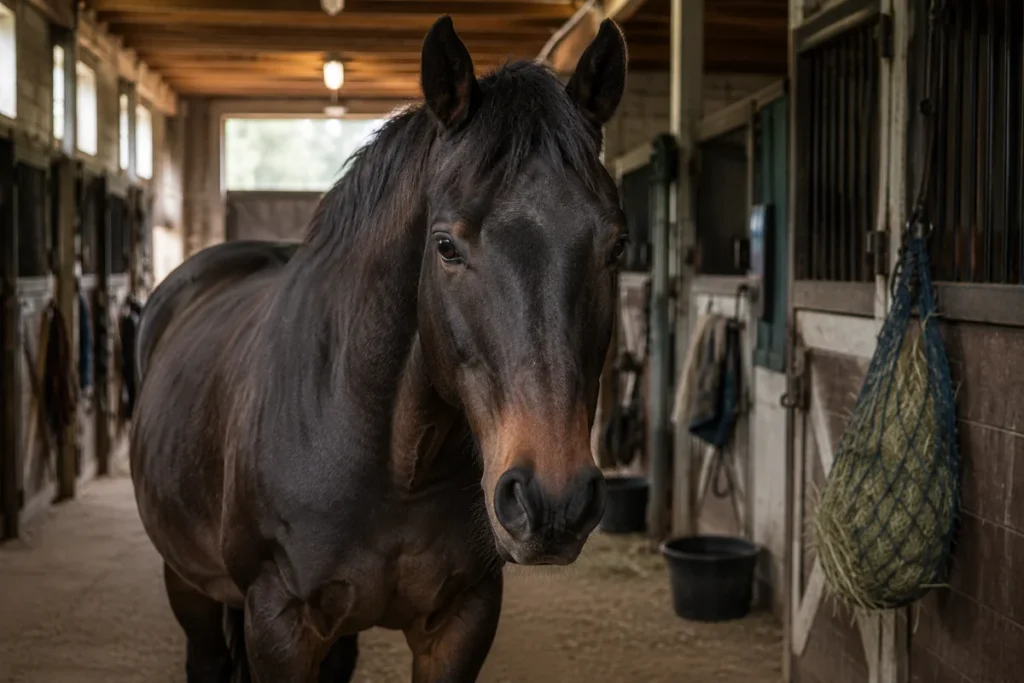
Dark bay (sometimes just called “brown” in registries) sits close to black, with the body only reading as brown in direct sun. These names lean into that near-black depth instead of the lighter red tones above.
- Umber – the deep, near-black-brown earth pigment
- Bistre – a dark, sooty brown, almost archaic-sounding
- Sable – rich blackish-brown, historically used for fine fur
- Cocoa Bean – dark and warm without tipping into black
- Espresso – strong, dark, a little bit intense
- Molasses – slow, thick, deep brown-black
- Charwood – burnt and dark, a little dramatic
- Blackstrap – the darkest grade of molasses, deep and heavy
- Peat – earthy, dense, and dark
- Coalridge – a place-name feel with a coal-dark undertone
- Darkwood – plain and direct about the shade
- Ravenwood – borrows the raven’s near-black sheen
- Umberline – confident and grounded
- Duskfall – the moment brown tips into black
- Sootstorm – dark and a little wild
- Nightbrown – simple, honest, and easy to place
- Charbrook – dark and flowing, like a shaded stream
- Bruno’s Shade – warm nod to the classic “Bruno” naming pattern
- Ironbark – the dark, tough Australian tree
- Cindergate – smoky and dark, with a bit of edge
- Deepwood – dense, dark, and grounded
- Blackberry Brown – dark with a hint of red still visible
- Coalfield – working, dark, a little tough
- Tarheel – dark and sticky-sweet as a nickname
- Duskbrown – between shadow and daylight
- Charcoal Ridge – dark and elevated at once
- Nightshade – dramatic, dark, a touch mysterious
- Smokewood – dark and slightly hazy
- Umbra – Latin for shadow, dark and elegant
- Coffee Grounds – dark, textured, a little gritty
- Blackroot – dark and grounded, tree-inspired
- Duskmoor – a dark, moody landscape feel
- Ash Bark – dark bark tone with a hint of grey
- Onyxwood – blends the gem and the earth tone
- Shadowbrook – dark, flowing, a little poetic
- Loam – rich, dark farming soil
- Charstone – dark and unmoving, sturdy-sounding
- Blackspice – dark with a hint of warmth
- Duskveil – soft and dark, almost misty
- Cinderpath – dark, worn, a little rugged
- Nightbark – simple and dark, easy to shorten to “Bark”
Dark bay sometimes gets mistaken for buckskin under barn lighting, especially on a lean-bodied horse if you’re not fully sure which one you’ve got, our buckskin horse names page breaks down the tan-body, black-point look that trips people up.
Blood Bay and Red Bay Names
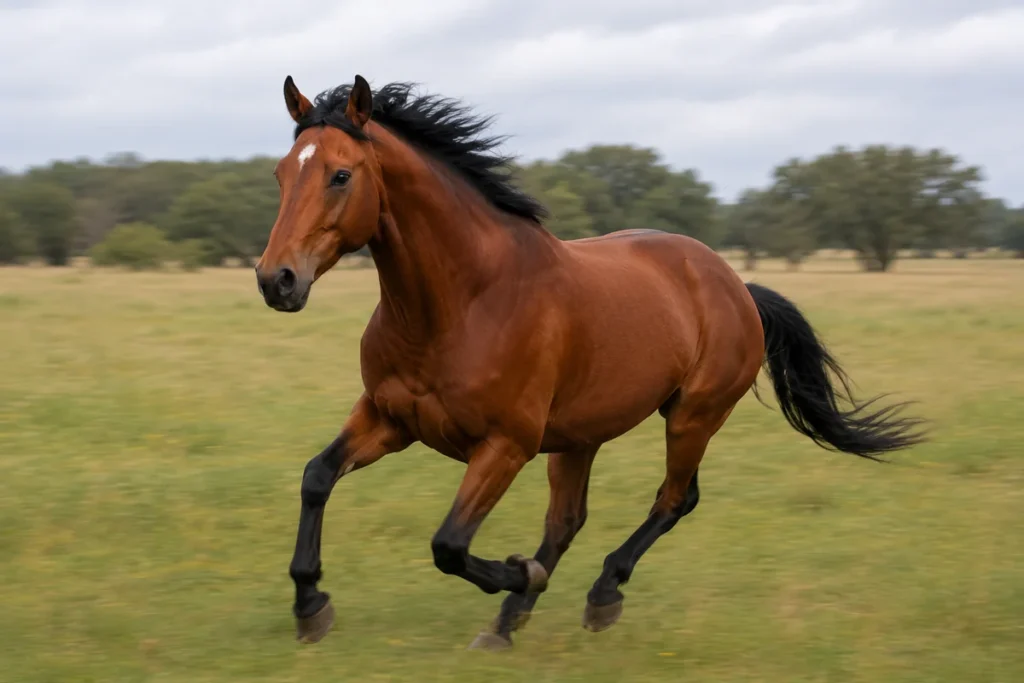
A blood bay runs bright, almost fire-engine red, much more vivid than a standard bay. These names go straight at that intensity.
- Garnet – the deep red gemstone, rich and specific
- Cardinal – the bright red bird, bold and unmistakable
- Ember – a glowing coal, warm and alive
- Crimson Tide – vivid, moving, a little dramatic
- Firebrand – intense and a little fierce
- Scarletta – a softened, feminine take on scarlet
- Rouge – simple, French, and to the point
- Cherrywood – bright red-brown with a sweet edge
- Blaze Runner – speed and fire-red color combined
- Vermilion – a vivid red-orange pigment, striking on paper
- Poppyfield – bright red flower, open and cheerful
- Redwing – the bird, bright and quick
- Firelight – warm, glowing, a little gentle despite the name
- Claretwine – deep red wine tone, refined
- Sangre – Spanish for blood, direct and bold
- Rubicon – a river name that reads bold and irreversible
- Cinnaburn – invented, spicy-red and a little playful
- Wildfire Ridge – intense and grounded together
- Redcoat – blunt, historic, easy to say
- Brightblood – direct about the shade, a little edgy
- Firestone – tough and vivid
- Cranberry Ridge – tart-red and grounded
- Scarlet Oak – a tree that turns bright red in fall
- Redrock – tough, western, and visually direct
- Emberlyn – a softer, name-like spin on ember
- Firefly Run – bright and quick, good for an energetic horse
- Ruby Ridge – gem-bright and grounded
- Cherryblaze – sweet and intense at once
- Vivid Vale – open about the bright color, softened by “vale”
- Redstrike – bold, fast-sounding
- Carmine – a strong red pigment, elegant and specific
- Sunfire – bright and radiant
- Bloodstone Ridge – the deep red mineral, grounded with “ridge”
- Firebird – mythic and vivid at once
- Redglow – simple, warm, direct
- Cerise – French for a bright cherry-red
- Flametrail – energetic, red, easy to shout
- Wine Ridge – deep red with a refined edge
- Rustred – blends the warm bay tone with a sharper red
- Redrun – short, punchy, easy to call at a canter
- Blazeheart – bold and a little sentimental
- Chili Pepper – bright red and a bit playful
- Firewheel – a wildflower name, bright and specific
- Scarlet Storm – intense in color and in energy
- Crimsonwood – deep, rich, grounded in nature
- Redline – confident, sharp, easy to say fast
Mahogany Bay Names
Mahogany bay reads darker and more polished than a standard bay, almost purple-red in direct sun, like the wood it’s named for. These lean elegant and warm without going full black.
- Rosewood – deep reddish-brown wood, refined and warm
- Merlot – the dark red wine, sophisticated and specific
- Claret – a classic term for deep red wine
- Mahogany Row – direct about the coat, grounded with “row”
- Burgundy Ridge – deep wine-red, elevated
- Teakwood – dense, warm-toned hardwood
- Chestnut Wine – a nod to the coat’s reddish depth
- Walnut Grove – rich brown, grounded and pastoral
- Sherry – warm, amber-red, a little playful as a barn name
- Redcedar – reddish wood with a strong, standing presence
- Plumwood – dark purple-red, elegant
- Oakcask – aged, warm, a little rustic
- Brandy Ridge – warm amber-brown with weight behind it
- Polished Oak – smooth, warm, refined
- Cabernet – deep red wine, bold and specific
- Mahoganyfield – open and grounded, softens the wood reference
- Vintage Rose – warm and a little sentimental
- Rich Umber – direct and confident
- Barrelwood – aged, warm, working-horse energy
- Sable Wine – blends the dark tone with the wine reference
- Cordovan – a deep reddish-brown leather tone, sharp and specific
- Redcask – short, warm, easy to say
- Sienna Wine – blends the classic pigment with elegance
- Auburn Vale – reddish-brown, softened by “vale”
- Rustyard – warm and grounded, a little rustic
- Deepgarnet – dark red with weight
- Woodgrain – textured and specific to the wood tone
- Redoak Hollow – grounded, warm, a sense of place
- Polished Copper – shiny and warm at once
- Old Barrel – aged and warm, working-horse feel
- Wine Cellar – dark, rich, a little unexpected
- Cordelia’s Wood – literary-adjacent but original, warm-toned
- Deep Auburn – confident and direct
- Bronzewood – metallic warmth meets timber tone
- Vintage Copper – aged and warm together
- Reddleaf – autumnal and specific
- Cask & Copper – a compound name with real texture
- Rustcask – warm, aged, easy to shorten
- Garnetwood – gemstone meets timber
- Amberwine – warm and refined
- Old Mahogany – blunt, classic, and confident
Names Inspired by the Black Points
Every bay shares the same signature: black mane, tail, and lower legs against a lighter body. These names lean straight into that contrast instead of the body color.
- Onyx – the black gemstone, direct nod to the points
- Inkwell – dark and specific, a writer’s touch
- Sootline – dark points against a lighter body
- Blackstocking – literal, playful, and accurate
- Charmark – dark and simple
- Tuxedo Tail – playful, visual, easy to picture
- Jetpoint – sharp, dark, and modern-sounding
- Panther Points – bold, sleek, a little dramatic
- Nightsocks – playful nod to the black lower legs
- Coalstripe – dark and direct
- Blackfeather – dark and light on its feet
- Rimshadow – the dark edge against a warm body
- Darkmane – simple and literal, easy to say
- Duskcloak – the black points as a cloak
- Nighttrail – dark and moving
- Shadowline – the visual line where black meets red-brown
- Blackbrush – dark and painterly
- Emberpoint – blends the warm body and dark points
- Tuxedo Trot – playful, movement-focused
- Duskmark – simple and direct
- Coalcrest – dark and elevated
- Blackveil – dramatic and specific
- Rimfire – the contrast of warm body, dark edges
- Nightedge – sharp and dark
- Sootfoot – playful, literal, easy to remember
- Charstripe – dark and direct
- Onyxmane – gem-dark, specific to the mane
- Blackboot – blunt, playful, and accurate
- Duskrim – dark edge, soft delivery
- Coalpoint – dark and to the point (literally)
- Shadowcloak – dramatic, dark, a little regal
- Inkmane – specific and literary
- Nightrim – dark, quiet, easy to say
- Blacktail Ridge – literal and grounded
- Sootveil – soft delivery, dark meaning
- Duskstripe – simple, direct, easy to shorten
- Charpoint – dark and specific
- Rimshade – the visual edge, softly named
- Coalmark – dark and grounded
- Nightseam – the line where colors meet
Playful and Everyday Bay Names
Not every bay needs a name that references the coat. Some just need a name that fits a horse who’s a little goofy, a little stubborn, or genuinely fun to be around.
- Biscuit – warm and comforting, easy to call
- Pretzel – for a horse who’s a little twisted up in personality
- Waffles – warm, silly, and impossible to say without smiling
- Ziggy – energetic and a little unpredictable
- Bumble – for a horse who moves like he’s not quite sure where he’s going
- Doodle – light-hearted, surprisingly good on a big horse
- Pumpkin – warm, seasonal, and a little sweet
- Squiggle – for a horse who never walks in a straight line
- Marbles – for the one who’s a little scattered
- Waddles – slow, funny, affectionate
- Chowder – warm, thick, comforting
- Muffin – small-sounding on a big animal, always funny
- Snickerdoodle – a mouthful, which is exactly the joke
- Cricket – small energy, quick and quirky
- Boots – simple, literal, and classic barn-name energy
- Peanut – ironic on a full-size horse, works every time
- Scrappy – for the underdog with a lot of heart
- Nugget – small-sounding, warm-toned, easy to shout
- Tumbles – for the clumsy, lovable ones
- Fidget – restless energy, always moving
- Cobbler – warm, homey, a little sweet
- Bramblewick – playful and a little whimsical
- Puddlejump – literal, for the one who loves mud
- Bumperguy – silly and affectionate
- Snickers Bar – sweet, warm, a crowd-pleaser
- Ruckus – for the one who causes a scene
- Wobblesworth – deliberately overblown and funny
- Tater – short, warm, easy to shout across a field
- Chuckle – for a horse with a genuinely funny personality
- Sprocket – mechanical and quirky, oddly fitting
- Dizzy – for the one who spooks at nothing
- Nutmeg – warm spice, a little unexpected
- Waffleton – silly, extended version of Waffles
- Bramblesnap – playful, textured, easy to remember
- Puddleton – a nickname built for a mud-loving horse
- Gizmo – quirky and a little mechanical-sounding
- Toffee Pop – sweet, bouncy, memorable
- Snickerspoke – playful, a little nonsensical on purpose
- Wiggleworth – overblown on purpose, always gets a laugh
- Bumbleroot – playful and grounded at once
- Chompers – blunt and honest about a horse who bites at hay nets
- Rascal Jones – classic troublemaker energy
- Puddlefoot – literal and affectionate
- Bopper – short, bouncy, easy to call
- Snoozer – for the laziest horse in the barn
- Chatterbox – for the one who’s always making noise
Bold and Regal Bay Names
Bay carries a natural dignity that deep reddish body against black points reads formal without trying. These names lean into that presence.
- Sovereign – authority and quiet power
- Regenta – a feminine spin on “regent”
- Baronet – a lower noble title, dignified without being overblown
- Duchessa – regal and specific, a little theatrical
- Kingsmark – bold and literal about status
- Nobleridge – dignity grounded in landscape
- Marchesa – an Italian noblewoman’s title, elegant
- Crownwood – regal and grounded
- Vantage Royale – a modern, confident regal name
- Statelyfield – dignified and open
- Imperius – Latin-rooted, commanding
- Grandeur – simple and confident about presence
- Cavalier’s Pride – noble and a little romantic
- Highcourt – formal and elevated
- Countessa – feminine noble title, elegant
- Regalfire – bold and warm together
- Prestonwood – invented but reads old-money and grounded
- Majestrix – invented, regal-sounding, unmistakably confident
- Lordship Ridge – formal, grounded, a little playful in its formality
- Reignwood – regal, with a pun built in
- Empressa – feminine, commanding
- Statelymark – dignified and direct
- Vanguard Royale – bold, leading, formal
- Nobleheart – regal and warm at once
- Grandview Regent – elevated and confident
- Crownridge – formal and grounded
- Baronwood – dignified and earthy
- Sovereign’s Watch – commanding, a little cinematic
- Highreign – bold pun, confident delivery
- Marquessa – noble title, feminine and elegant
- Dukesworth – classic, confident, a little old-fashioned
- Statelier – playful spin on “stately”
- Regalridge – formal and grounded
- Vantage Crown – bold and elevated
- Nobleflame – regal with warmth
- Coronet’s Pride – ties to the leg-marking term and status both
- Highborn Ridge – dignified and grounded
- Crownfire – bold and warm
- Reignfall – dramatic, regal, a little poetic
- Statelywood – formal and grounded
- Grandmark – confident and direct
For a horse whose paperwork actually carries royal or noble bloodline references, our royal horse names and unique royal horse names pages go deeper into formal show-name territory than this list does.
Legendary Racehorse-Inspired Bay Names
Bay has produced an outsized share of history’s fastest horses. These names nod to that racing legacy without just copying a specific horse’s name outright they borrow the feel of the track.
- Trackline – direct, fast, easy to say
- Photofinish – bold, specific to racing drama
- Furlong – the racing distance unit, sharp and specific
- Post Time – confident, racing-specific
- Silks & Speed – a nod to jockey silks
- Backstretch – part of the track, grounded and specific
- Winner’s Circle – bold, aspirational
- Derby Ridge – formal and grounded
- Fastclock – direct, competitive
- Steeplechaser – bold and specific to the sport
- Racing Colors – open, confident
- Homestretch – the final push, energetic
- Starting Gate – blunt and literal
- Track Record – bold and confident
- Length Ahead – competitive and specific
- Clockers Dream – a nod to the people who time workouts
- Paddock Prince – regal and racing-specific
- Photo Call – sharp, specific
- Furlong Fire – speed and heat combined
- Trackstar Ridge – bold and grounded
- Wager’s Choice – playful racing nod
- Grandstand – bold, specific to the sport’s culture
- Pole Position – confident and direct
- Fleet Foot – classic, speed-focused
- Downtherail – racing-specific phrasing, a little playful
- Odds On – confident, playful
- Stretch Runner – energetic and specific
- Turfline – grounded and specific to the sport
- Silverclock – sharp and precise
- Bettor’s Pride – playful, racing-adjacent
- Homefield Bay – ties the sport and the coat together
- Racelight – energetic and warm
- Clubhouse Turn – specific to the track’s geography
- Morning Workout – grounded, references real training routine
- Jockey’s Choice – confident and specific
- Steady Gallop – energetic without being over the top
- Winning Post – bold and direct
- Fastlane Ridge – modern and grounded
- Chase the Wire – dramatic, racing-specific
- Trackside Blaze – warm and energetic
- Derby Fire – bold and warm
If your bay actually comes from performance bloodlines, our famous horse names page rounds up real legends worth knowing before you land on a formal registered name.
Mythology and Literature Bay Names
Bay’s deep, dramatic coloring pairs naturally with names borrowed from myth and old stories. These lean literary and larger-than-life.
- Icarus – bold, mythic, a little tragic and dramatic
- Selkie – a shape-shifting sea creature from folklore
- Bellerophon – the mortal who tamed Pegasus in Greek myth
- Morrigan – a Celtic goddess of fate and battle
- Cassiel – invented-sounding but reads mythic and grand
- Erebus – Greek personification of darkness, dramatic
- Fenrir – the great wolf of Norse legend, bold and fierce
- Ariadne’s Thread – literary, a little poetic
- Corvus – Latin for raven, dark and specific
- Solstice – tied to seasonal myth and light
- Aetherwind – invented, mythic-sounding, atmospheric
- Prospero – the sorcerer from The Tempest, commanding
- Valkyrie’s Ride – bold, Norse-adjacent, dramatic
- Mercutio – a sharp-tongued character from Romeo and Juliet
- Thessaly – a region in Greek myth known for its horses
- Nyxwood – borrows from Nyx, the Greek goddess of night
- Oberon – the fairy king from A Midsummer Night’s Dream
- Grendel’s Shadow – dark and literary, bold delivery
- Charon’s Gate – mythic ferryman reference, dramatic
- Elysium Ridge – the mythic paradise, grounded with “ridge”
- Rune Keeper – mythic and a little mysterious
- Ashwinter – invented, atmospheric, dramatic
- Talos – the bronze automaton guardian of Greek myth
- Wyrmwood – dragon-adjacent, dark and bold
- Ithaca’s Pride – Homeric, a little grand
- Lorekeeper – bookish and a little mysterious
- Balder’s Light – Norse god of light, gentle contrast to dark coat
- Sagewood – literary and grounded
- Odyssean – tied to epic journeys, bold and specific
- Persephone’s Bay – ties the myth directly into the coat color
- Ravensworth – dark, literary, a little formal
- Draumr – invented but reads Norse and dreamlike
- Ember of Troy – mythic and warm together
- Kraken’s Shadow – bold, dramatic, sea-myth adjacent
- Ashbringer – dramatic and bold
- Ondine’s Wake – a water spirit from folklore, elegant
- Stormcrow – mythic-adjacent, dark and bold
- Hesperia – the mythic western land, poetic
- Runeforge – bold and mythic
- Wraithwood – dark, dramatic, a little haunting
- Tempest’s Heir – dramatic, storm-adjacent
- Ashen Oracle – mystical and dark
- Umbral Knight – dark and bold
- Sable Sphinx – blends dark tone with a mythic guardian
- Faerwood – softer, fairy-tale-adjacent
- Duskwraith – dark and dramatic
- Ironbark Titan – bold, tree meets myth
- Solomon’s Bay – ties a legendary name directly to the color
- Charwyn – invented, reads old and mythic
- Netherfield Bay – atmospheric and grounded
- Wintermyth – dark and seasonal, mysterious
Names pulled from Greek and Roman myth specifically get their own deeper treatment on our Greek horse names and Latin horse names pages, if this category’s the one that clicked for you.
Bay Names for Mares
Bay mares tend to carry the coat with a bit more softness the same dark-warm contrast, but names here lean a little more graceful.
- Sienna Rose – warm and floral together
- Briarlyn – soft and a little wild
- Coralie – bright, warm-toned, and gentle-sounding
- Wrenna – small, quick, and warm
- Foxglove Lane – floral and warm, with a sense of place
- Marisol – bright and warm, easy to say
- Autumn Wren – seasonal and specific
- Rosalind Bay – literary-adjacent, elegant
- Cinderlyn – dark and soft together
- Hazelwynn – warm and gentle
- Brambleigh – soft, a little wild
- Coraline Ridge – bright and grounded
- Meredith Bay – classic, warm, grounded
- Wildrose – soft, a little untamed
- Saffronia – warm spice tone, elegant
- Duskarose – dark and floral together
- Ember Wren – warm, small, and quick
- Marielle – elegant and soft-sounding
- Foxfire Rose – warm and bright together
- Coppelia – ballet-adjacent, elegant and specific
- Willowbay – graceful, direct about the color
- Genevieve Ridge – classic and grounded
- Rosalind Wren – soft and specific
- Amberlyn – warm and gentle
- Duskrose – dark and floral
- Marigold Wren – warm and small together
- Sable Rose – dark tone, soft delivery
- Coralwood – bright and grounded
- Hazelrose – warm and floral
- Brierlynn – wild and soft together
- Sienna Wren – warm and small
- Cordeliana – elegant, a little formal
- Rosewynn – soft and warm
- Autumn Bramble – seasonal and a little wild
- Foxglove Wren – floral, warm, and small
- Wildewood Rose – soft and grounded
- Coralbelle – bright and elegant
- Hazelfire – warm and a little bold
- Marielise – elegant and soft
- Duskbelle – dark and gentle together
- Rowanna – tree-tone warmth, feminine spin
- Brambleblossom – soft, wild, floral
- Amberose – warm and elegant
- Coppervale – warm and soft
- Wrensong – small and lyrical
- Sablewynn – dark and gentle
Our female horse names page has a much wider, coat-neutral list if none of the above matches the mare’s personality once you actually meet her.
Bay Names for Geldings and Stallions
Male bays tend to get names with more weight and edge to them, especially when the horse has some presence to back it up.
- Ironclad – tough, solid, unmistakable
- Bruteforce – blunt and bold, works for a horse with real power
- Warbrand – bold and battle-adjacent
- Flintlock – tough, old-world, sharp-sounding
- Grindstone – tough, working-horse energy
- Ravensworth – dark, formal, a little intense
- Copperhead – bold, a little dangerous-sounding
- Rustbucket – playful but tough, self-aware nickname energy
- Blackstone Ridge – dark, formal, grounded
- Cinderforge – dark and industrial
- Hammerfall – blunt and powerful
- Wardrum – bold, rhythmic, commanding
- Rustyforge – working-horse energy with warmth
- Ironbay – ties directly to the coat with a tough edge
- Duskbrand – dark and bold
- Anvilridge – tough and grounded
- Firelock – warm and tough together
- Steelrun – fast and hard-edged
- Copperfist – bold and specific
- Blazeforge – warm and industrial
- Grit & Ember – tough and warm at once
- Ironwake – bold and dramatic
- Charspike – dark and sharp
- Rustbolt – tough and a little mechanical
- Duskhammer – dark and blunt
- Thornback Ridge – tough, natural, grounded
- Cindercrag – dark and rugged
- Warbrindle – bold and coat-specific
- Firegrit – warm and tough
- Blackforge Ridge – dark, industrial, grounded
- Ashenridge – tough and atmospheric
- Steelburn – hard-edged and warm together
- Rustcrag – tough and grounded
- Copperbolt – bold and sharp
- Duskforge – dark and industrial
- Ironbriar – tough and a little wild
- Hammerwood – blunt, grounded, working-horse feel
- Cinderclad – dark and armored-sounding
- Grimstone Ridge – tough and dark
- Warflint – bold and tough
- Ashbrindle – dark, coat-specific, tough
- Ironvale – tough, grounded, a little softened by “vale”
- Rustguard – tough and protective-sounding
- Cinderwake – dark and dramatic
- Steelthorn – hard-edged and natural
If it turns out your bay is being trained or used for western work rather than a show ring, that page leans into working-horse names that might fit a tough gelding or stallion even better than the mythology or racing lists above. And our male horse names page has a wider, coat-neutral range if the personality calls for something outside this bold, tough lane.
Nature and Earth-Toned Bay Names
Bay is, at its core, an earth-toned color, so a lot of the strongest names for it come straight out of the natural world rather than any invented category.
- Redwood Ridge – tall, warm, and grounded
- Cedarbrook – warm wood tone, flowing
- Driftwood – weathered and warm
- Thornfield – tough, natural, grounded
- Meadowbrook Bay – open and pastoral
- Foxden – warm, small, grounded
- Prairiefire – warm and open at once
- Timberline – tall, warm, grounded
- Hollowbrook – earthy and flowing
- Wildoak – tough and natural
- Brackenridge – warm, textured, grounded
- Riverbend Bay – flowing and warm
- Sagebrush Ridge – dry, warm, western-feeling
- Foxhollow – small, warm, grounded
- Cliffside Ember – dramatic and warm
- Thistledown – light, natural, a little wild
- Copperfield Farm – warm and grounded, place-name energy
- Wildmeadow – open and natural
- Brookstone Ridge – flowing and grounded
- Sunbaked Clay – warm, earthy, direct
- Foxrun Hollow – warm, quick, grounded
- Marshwood – earthy and specific
- Duskmeadow – dark and pastoral together
- Thornbrook – tough and flowing
- Wildfire Meadow – bold and open
- Cedarfield – warm wood tone, open
- Brackenwood – textured and grounded
- Rustling Oak – tactile and warm
- Coppermeadow – warm and open
- Hollowridge – grounded and atmospheric
- Foxbriar – warm and wild together
- Prairiewind – open, warm, moving
- Timberfox – tall and quick together
- Cliffwood Ember – dramatic, warm, grounded
- Wildbrook Ridge – natural and flowing
- Duskfield – dark and open together
- Rustmeadow – warm and open
- Brackenfire – textured and warm
- Thornmeadow – tough and open
- Foxglen Ridge – warm and grounded
If your bay’s actual pasture-mate is a grey, roan, or dun and you’re building out a full barn’s worth of names at once, our grey horse names, roan horse names, and dun horse names pages round out the rest of the herd.
How to Actually Pick From This List
With 500-plus options, the hard part isn’t finding names it’s narrowing down. A few things worth checking before you commit.
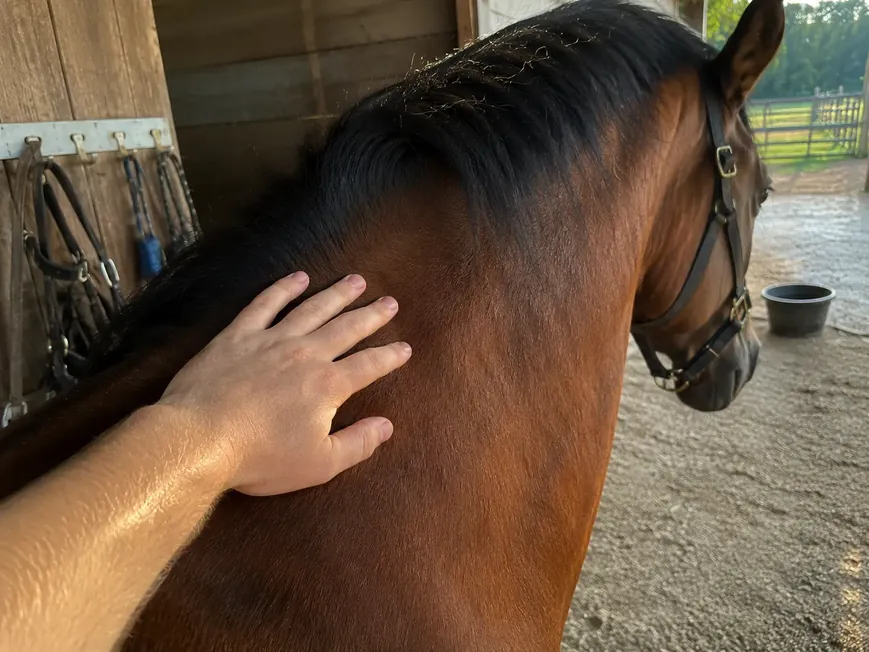
Match the tone to the actual shade sitting in front of you. A blood bay gelding named “Whisper” reads as a mismatch the moment someone meets him; that same intensity works much better on a name like Ember or Firebrand. Standard and mahogany bays can carry either the warm-earthy names or the bolder ones depending on temperament, since the coat itself sits in the middle of the range.
Say it out loud across real distance before you finalize anything. A name that looks sharp on paper can fall completely flat shouted across a paddock in the rain. One or two syllables with a hard consonant Boots, Rust, Duke carries further than something soft and three syllables long.
Separate the barn name from the show name if you’re registering. The formal name on paperwork can be as elaborate as “Sovereign’s Watch” or “Ithaca’s Pride.” The one you’ll actually say fifteen times a day should probably be two syllables Sov, or Watch, or something else entirely that has nothing to do with the formal name.
Check what it turns into once your horse’s personality shows up. A name picked in the first 48 hours based purely on coat color sometimes stops fitting once the horse turns out to be the calmest one in the barn, or the most food-motivated. That’s fine. Plenty of owners quietly switch to a nickname within the first month and never look back.
Mistakes to Avoid With Bay Horse Names
Because bay is so common, a few specific problems come up more here than with rarer coat colors.
Picking a name that’s already taken at your barn or show circuit. Bay is common enough that “Duke,” “Storm,” and “Blaze” show up on entry forms constantly. If you’re planning to show, a quick search of your breed association’s registered names can save you a rejected paperwork submission later.
Confusing your horse’s actual shade before naming it. A horse that’s genuinely a seal brown or a very dark chestnut isn’t a bay just because it looks reddish-brown in dim light and a name built entirely around “black points” falls apart if a closer look shows the mane and tail aren’t actually black.
Overcommitting to a color-based name before you know the personality. A name like “Firebrand” on a horse who turns out to be the gentlest gelding in the pasture creates a mismatch you’ll explain to every visitor for years. It’s not the end of the world, but a lot of owners wish they’d waited two weeks.
Choosing something too close to a common cue word. Names that sound like “whoa,” “no,” or “back” can genuinely confuse training later, especially with a green horse. Say your shortlist next to your basic commands before locking it in.
Once you’ve got a bay named, most of the naming problems that come up next are less about the coat and more about matching the sound to the horse’s actual size and job the same logic that applies whether you end up training on a Quarter Horse or a wild-bred Mustang.
Frequently Asked Questions About Bay Horse Names
A standard bay has a clearly reddish-brown body with black points. A dark bay (often called “brown” on registration papers) sits much closer to black overall, with the reddish undertone only really visible around the muzzle, flank, and eyes in good light.
Not officially in most registries it’s a description within the bay family for a horse whose body color runs unusually bright red rather than the more typical reddish-brown. Genetically, it’s still just a bay.
Partly genetics bay is common across the Thoroughbred breed specifically and partly just numbers. With so many bays racing, the odds favor a bay winning simply because there are more of them entered.
Check the mane and tail. A chestnut’s mane and tail either match the body color or run lighter never true black. If the points are unmistakably black, you’re looking at a bay, whatever shade the body lands on.
3 thoughts on “Bay Horse Names: 500+ Ideas by Shade, Style, and Personality”