
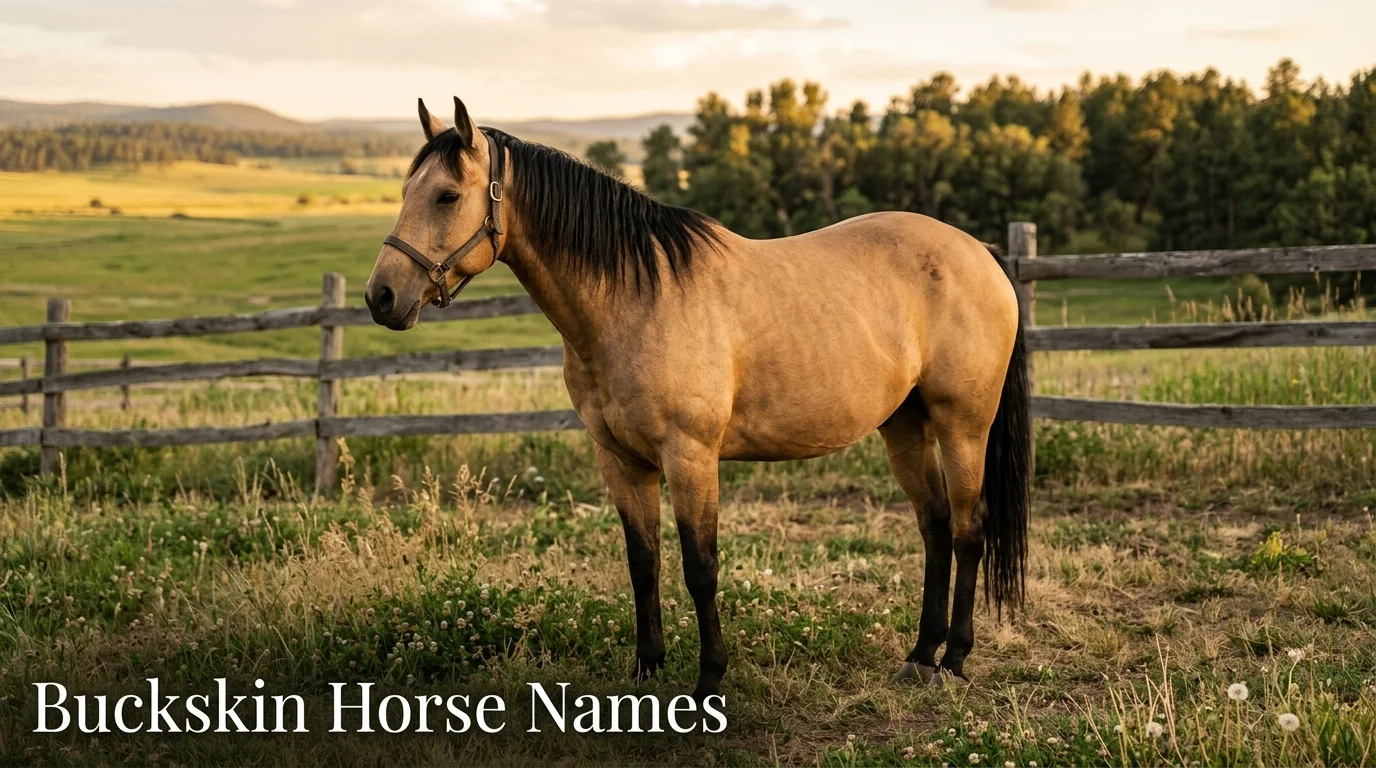
A buckskin’s body runs anywhere from pale sand to deep caramel, but the mane, tail, and lower legs stay solid black that contrast is the whole reason names like Ember, Nugget, and Onyx keep showing up on buckskin barn charts. If your horse leans buttermilk-light or sooty-dark, the right name usually starts with that coat, not a random pick off a generic list.
I’ve had a sooty buckskin gelding who looked black in low light and gold in full sun, and the name we picked in week one (Shadow) stopped making sense by week three once we saw him in daylight. Buckskins change character depending on the light hitting them, and a name that only works in the barn aisle can feel wrong out on the trail.
What Actually Makes a Horse “Buckskin”
A buckskin carries one cream dilution gene on a bay base coat, which lightens the body to a range of tan, gold, or deep caramel while leaving the mane, tail, and lower legs black. That’s different from a dun, which gets its dark points from a separate gene and usually shows a dorsal stripe down the spine, and different from a palomino, which dilutes a chestnut base instead of a bay one so a palomino never has black points.
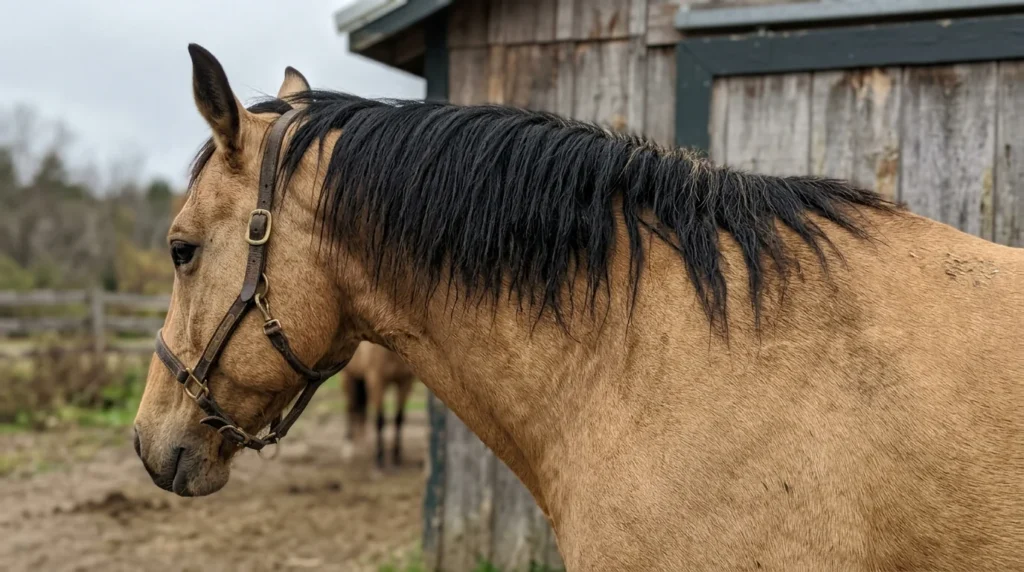
Breeders and registries split buckskins into a few recognizable shades: buttermilk (the lightest, almost cream), standard (a deer-like tan), sooty (darker on top, lighter underneath), and silver-tipped (gray hairs mixed through the coat). Knowing which shade you’ve got narrows a 250-name list down to the dozen that actually fit.
Buckskin Horse Names Inspired by the Coat Itself
These lean straight into the gold-to-caramel color range and the black points that define the breed’s look.
- Ember – for the way a sooty buckskin’s coat glows darker at the edges
- Nugget – a nod to raw gold, best for a brighter standard buckskin
- Onyx – plays off the black mane and tail rather than the body
- Caramel – for a mid-tone coat with warm undertones
- Buttermilk – the lightest buckskin shade, named for the horse Roy Rogers rode
- Toffee – warm and a shade darker than caramel
- Amber – for a coat with a reddish-gold cast
- Sable – leans into the black points more than the gold body
- Bronze – for a buckskin with a metallic sheen in direct sun
- Cider – a spiced, autumn take on the standard tan
- Cognac – for a deeper, almost brown-gold coat
- Marigold – bright and warm, fits a lighter buttermilk buckskin
- Saffron – for a coat with a yellow-gold cast
- Copper – best for a buckskin with visible red undertones
- Hazel – a softer, more neutral gold-brown
- Cinnamon – warm and spiced, fits a sooty buckskin well
- Butterscotch – rich and sweet-toned, a classic buckskin pick
- Wheat – for a pale, sun-bleached buttermilk coat
- Molasses – for the darkest sooty buckskins, nearly chocolate
- Ochre – an earthy, mineral take on gold
- Sienna – a warm reddish-tan, good for a deep standard buckskin
- Chai – spiced and warm, fits a mid-tone coat
- Praline – nutty and rich, for a darker buckskin
- Flax – pale and soft, closer to buttermilk
- Sandstone – for a coat that looks lit from within at golden hour
- Ginger – warmer and brighter than most buckskin shades
- Maple – syrupy and rich, fits a standard buckskin
- Tawny – classic, understated, and accurate for most buckskins
- Dune – for a pale, sandy buttermilk coat
- Chestnut Ridge – geographic and warm, works for darker coats
- Pyrite – “fool’s gold,” a wink at a coat that gleams but isn’t literal gold
- Honeycomb – textured and warm, for a coat with visible dapples
- Umber – for a deep, earthy sooty buckskin
- Fawn – soft and young-sounding, fits a lighter coat
- Whiskey – amber and warm, a barn-favorite for a reason
- Gilt – literally “gold-plated,” fits a bright standard buckskin
- Suede – textured and warm, echoing the leather the color is named for
- Terracotta – earthy red-gold, good for a sooty coat
- Almond – pale and warm, closer to buttermilk
- Biscuit – soft, warm, and common on buckskin lists for a reason
- Copperfield – a longer, more formal take on Copper
Famous Buckskins to Borrow a Name From
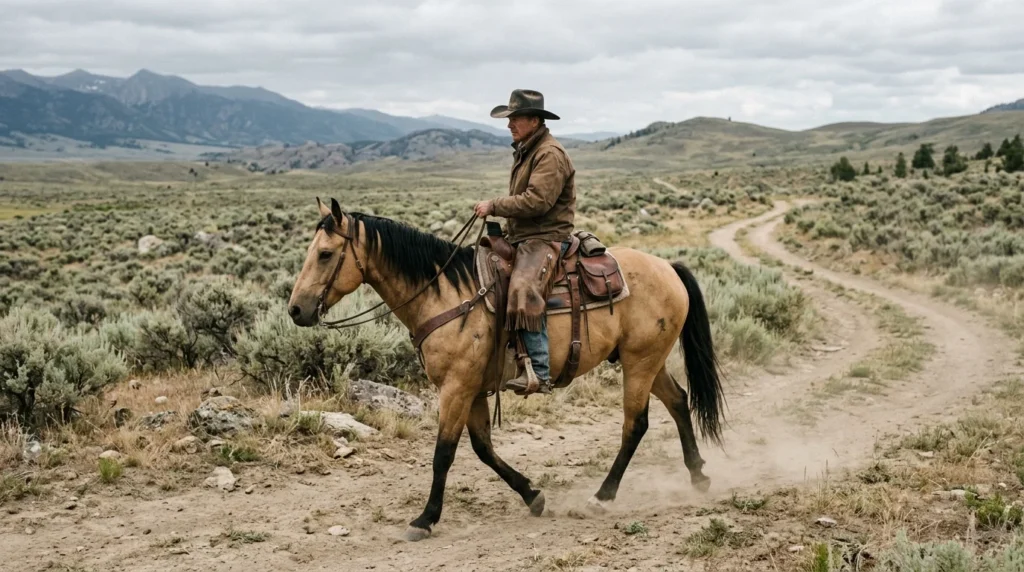
Not affiliated with any studio, network, or registry mentioned below these are real and fictional buckskins whose names have already proven they work.
- Spirit – the buckskin stallion from Spirit: Stallion of the Cimarron
- Buttermilk – Dale Evans’ real-life buckskin mare
- Buck – Ben Cartwright’s buckskin on Bonanza
- Dunny – a nod to the dun/buckskin family in general, not a specific horse
- Vaquero – Spanish for cowboy, tied to the breed’s Spanish-Iberian roots
- Cimarron – borrowed from Spirit’s film title, means “wild” or “untamed” in Spanish
- Trigger – Roy Rogers’ famous palomino, often mistaken for buckskin, still a barn favorite
- Hidalgo – from the 2004 film about an endurance-racing mustang
- Silver Buck – for a horse closer to the gray-flecked silver buckskin shade
- Amarillo – Spanish for yellow, a nod to the coat’s color family
- Concho – common in ranch-horse naming traditions
- Rio Bravo – bold and Western, fits a buckskin with presence
- Diablo – “devil” in Spanish, popular for a buckskin with an edge
- Vega – means “meadow” in Spanish, softer and pastoral
- Marlboro – for the coat’s resemblance to classic Western advertising imagery
- Cochise – a nod to Apache leader Cochise, common in Western naming traditions
- Zorro – “fox” in Spanish, fits a quick, clever buckskin
- Duke – simple, Western, and common on working ranches
- Buckwheat – playful and food-inspired, echoes the breed name itself
- Sundance – outlaw-era Western flavor
- Ranger – classic working-horse name with a Western feel
- Colt .45 – for an owner who wants something unmistakably Western
- Bonanza – borrowed loosely from the show that featured Buck
- Maverick – independent-minded, fits a spirited buckskin
- Palomino Joe – a wink at how often buckskins get mistaken for palominos
Western and Ranch-Style Buckskin Horse Names
Buckskins have deep roots in Western ranch work, so names with that same weight tend to fit naturally.
- Marshal – authoritative, fits a steady lead horse
- Rustler – playful nod to old cattle-drive slang
- Canyon – geographic, fits a horse with a big presence
- Prairie – open and simple, works for a calm mare
- Sagebrush – ties the coat color to the high-desert landscape buckskins are associated with
- Deputy – short, punchy, easy to call across a paddock
- Wrangler – straightforward and working-ranch specific
- Outlaw – for a buckskin with a stubborn streak
- Lasso – playful, rodeo-flavored
- Mesa – flat-topped and steady, like the landform
- Bandolero – Spanish for “bandit,” bold and Western
- Stetson – named for the classic cowboy hat
- Cheyenne – ties to the Great Plains and Western naming tradition
- Sundown – for a coat that echoes a sunset’s colors
- Bronco – classic, slightly rebellious
- Tumbleweed – rolling, restless, fits a horse that doesn’t sit still
- Chisholm – named for the historic cattle trail
- Six Gun – Western and blunt
- Vaquera – feminine version of vaquero, for a mare
- Lariat – another rope-and-rodeo reference
- Dust Devil – for a horse with speed and a temper
- Frontier – broad and Western without being a cliché
- Homestead – grounded and steady
- Copperhead – bold, slightly dangerous-sounding
- Longhorn – ties into cattle-country tradition
- Rio Grande – geographic and Western
- Deadwood – gritty, Old West flavor
- Big Sky – open and calm, fits a laid-back gelding
- Cactus – simple, desert-flavored, works for a mare or gelding
- Yellowstone – broad, geographic, and currently popular in Western naming circles
Male Buckskin Horse Names
- Bo – short, easy to call, fits a calm gelding
- Gunner – Western and energetic
- Cassidy – outlaw-era flavor, works well solo
- Rusty – plays off the coat’s warmer undertones
- Tucker – common, friendly, easygoing
- Bear – blunt and sturdy, fits a bigger-bodied buckskin
- Colt – literal and simple, best for a young male
- Diesel – modern, strong-sounding
- Hank – classic ranch-horse name
- Scout – alert and capable-sounding
- Jasper – warm-toned, echoes the gold in the coat
- Cody – Western without being on-the-nose
- Levi – simple and sturdy
- Ranger – already listed above but strong enough to repeat as a top pick
- Roman – bold, works for a horse with presence
- Otis – old-fashioned, friendly-sounding
- Boone – frontier flavor, short and easy to say
- Chance – works for a horse who was a bit of a gamble to bring home
- Dusty – plays on the coat’s sandy undertones
- Gus – short, classic, easy in the mouth
- Bandit – fits a buckskin who tests fences
- Chief – authoritative and traditional
- Copper Jack – combines the color theme with a classic name
- Scoutmaster – playful, slightly formal
- Ryder – modern and active-sounding
- Zeke – short and Western
- Beau – soft and Southern-leaning
- Rowdy – fits a buckskin with energy to spare
- Shiner – for a coat with visible shine in the sun
- Boaz – biblical, sturdy-sounding
- Rocket – fits a fast, forward-moving horse
- Griff – short, modern, easy to shout across a field
- Sam – simple and dependable
- Cyrus – has weight without being overdone
- Doc – old ranch-horse tradition, works for a calm, steady gelding
- Yukon – geographic and bold
- Denver – Western city-name option
- Marshal Dillon – borrowed loosely from Western TV tradition
- Bishop – strong and short
- Axel – modern and punchy
- Duke Ellington – for an owner who wants a little jazz-era flair
Female Buckskin Horse Names
- Goldie – direct and warm
- Sienna – repeats the color-list entry but earns a spot as a top female pick
- Bambi – soft, fawn-colored, a genuine barn favorite
- Harper – modern and easy to call
- Marigold – bright and floral
- Coco – warm and food-inspired
- Ivy – simple, works well with a golden coat as contrast
- Saylor – modern, smooth to say
- Nutmeg – spiced and warm
- Dixie – Southern-leaning, classic
- Aurora – for a coat that seems to glow at dawn or dusk
- Willow – soft and pastoral
- Sunny – bright and direct
- Paloma – Spanish for “dove,” soft contrast to a gold coat
- Rosalie – old-fashioned, gentle
- Honey – classic, warm, on-the-nose in a good way
- Meadow – pastoral and calm
- Georgia – Southern, warm-sounding
- Belle – simple, classic mare name
- Sable – repeated from the color list, strong enough for either list
- Cricket – playful, fits a smaller or younger mare
- Ginger Rose – combines warmth and floral softness
- Wren – short, modern, unexpected for a horse
- Delta – geographic, has a bit of edge
- Juniper – earthy and current
- Marlowe – literary-sounding, smooth to say
- Autumn – ties the coat to the season it most resembles
- Cheyenne Rose – Western with a softer edge
- Sable Rose – combines two strong entries into one
- Opal – for a coat with a slight shimmer
- Duchess – classic, a little formal
- Blaze – works for a mare with a facial marking to match
- Maple Rose – warm, floral, and food-inspired at once
- Star – simple and enduring, especially for a marked buckskin
- Winnie – friendly, approachable
- Pixie – playful, fits a smaller mare
- Fiona – soft, slightly literary
- Rosalind – formal, has weight
- Gracie – easygoing and common
- Scarlett – bold, works for a redder-toned coat
Names Inspired by Sun, Sand, and Desert
Buckskins share their color palette with high desert and open range landscapes, which makes this a natural theme.
- Solstice – ties to peak sun and the horse’s brightest coat tones
- Mirage – for a coat that shifts shade in different light
- Adobe – earthy, sun-baked, and geographically specific
- Sahara – broad and evocative of heat and gold
- Sundial – old-fashioned and sun-themed
- Horizon – open and calm
- Solano – Spanish-rooted, means “sunny”
- Blaze of Glory – dramatic, works for a showier buckskin
- Kalahari – another desert reference, distinct from Sahara
- Firelight – warm and glowing
- Ember Sky – combines fire imagery with openness
- Sundust – ties sun and sand together
- Solaris – Latin-rooted, sun-themed
- Goldrush – historic and bold
- Aztec Gold – ties the color to a specific historic reference
- Amberlight – combines warmth and glow
- Copper Canyon – geographic and color-matched
- Dune Runner – active and desert-themed
- Sol – short for “sun” in Spanish, simple and strong
- Solana – softer variant of Solano, fits a mare
- Sandpiper – light and quick-sounding
- Wildfire – bold, fits an energetic buckskin
- Rio Dorado – Spanish for “golden river”
- Heatwave – bold and current
- Dawnlight – soft, works well for a calm horse
- Blazing Saddle – playful, Western-tinged
- Coyote – ties to the desert landscape buckskins are historically found in
- Mesquite – a real desert plant, earthy and specific
- Sonora – named for the Sonoran Desert
- Gilded – formal, ties directly to the gold tone
Food and Drink-Inspired Buckskin Horse Names
- Latte – a genuine barn favorite for lighter buckskins
- Espresso – for a much darker, sootier coat
- Toffee Apple – combines two warm, sweet tones
- Caramel Macchiato – longer, works well as a barn-name-plus-nickname pair
- Praline Pecan – nutty and rich
- Golden Syrup – literal and warm
- Brown Sugar – classic and warm-toned
- Root Beer – playful, American, and warm-colored
- Cider House – ties autumn and warmth together
- Bourbon – smoky and warm, fits a darker buckskin
- Peanut Brittle – textured and playful
- Marmalade – bright and citrus-warm
- Cornbread – earthy, warm, a little playful
- Chai Latte – spiced and current
- Hazelnut – warm and nutty
- Amaretto – smooth and warm-toned
- Gingerbread – seasonal and warm
- Butter Pecan – rich and food-forward
- Toasted Almond – pale and warm, fits a lighter buckskin
- Honey Bun – playful and sweet
- Sweet Tea – Southern-leaning and warm
- Apple Cider – autumn-flavored
- Molasses Cookie – combines a color entry with a food twist
- Pumpkin Spice – seasonal and currently popular
- Roasted Chestnut – warm and specific
- Brandy – classic, smooth to say
- Cocoa Bean – rich and warm
- Golden Ale – for an owner who wants a brewery-flavored name
- Salted Caramel – sweet with an edge
- Maple Bourbon – combines two strong warm-toned words
Mythical and Legendary Buckskin Horse Names
- Epona – Celtic goddess associated with horses
- Pegasus – classic, works for a buckskin with real presence
- Apollo – Greek sun god, fits the coat’s golden tones
- Loki – for a buckskin with a mischievous streak
- Freya – Norse goddess, strong and short
- Zephyr – Greek god of the west wind, fits a fast horse
- Aion – Greek personification of eternity, unusual and striking
- Helios – another sun-god option, direct and bold
- Atlas – mythic weight, fits a sturdy gelding
- Icarus – dramatic, works for a bold, high-energy horse
- Selene – moon goddess, an intentional contrast to a golden coat
- Thor – blunt, strong, easy to call
- Orion – constellation-based, has weight
- Valkyrie – fits a mare with real presence
- Griffin – mythical creature, half-lion half-eagle
- Odin – Norse, weighty and short
- Phoenix – ties fire imagery to the coat’s warm tones
- Artemis – goddess of the hunt, fits a quick, independent mare
- Hercules – classic strength reference
- Nyx – goddess of night, deliberate contrast to a gold coat
- Titan – broad and powerful-sounding
- Persephone – seasonal mythology, ties to change and renewal
- Ares – god of war, bold and blunt
- Circe – sorceress from Greek myth, distinctive
- Cerberus – dramatic, fits a horse with a strong personality
How to Actually Narrow This List Down
Start with the exact shade you’re looking at, not the breed in general. A buttermilk buckskin reads completely differently from a sooty one, and a name like Latte works for the first but falls flat on the second.
Say the name out loud at a canter-length distance before you commit some names that look great on paper get lost or mangled when you’re yelling them across a pasture. If the horse already has a show name from a breeder or registry, pick a barn name that’s short, distinct from the show name, and easy for a vet or farrier to catch on the first try.
Common Mistakes When Naming a Buckskin
Picking a name based on a foal’s baby coat is a common one buckskin foals are often born a duller, mousier version of their adult color, and a name chosen too early can stop matching once the coat sets in around age one.
Choosing something too close to a barn-mate’s name causes real confusion at feeding time and during turnout, so check the full barn roster before you settle on anything. And leaning too hard into “Golden” or “Buckskin” as the name itself is a trap it’s technically accurate and instantly forgettable, which defeats the point of naming an animal you’ll be calling for the next twenty-plus years.
If you’re also bringing home a palomino, our palomino horse names guide covers that lighter, black-point-free color family in more depth. Owners cross-shopping breeds known for carrying the buckskin gene often end up on our Quarter Horse names list next, since American Quarter Horses are one of the most common buckskin breeds.
If your buckskin has any mustang blood, the mustang horse names page leans into that wild-and-working history a little harder. For a broader Western naming pool beyond just this coat color, our Western horse names list has more ranch- and rodeo-flavored options. And if you want to see how a buckskin’s tan tones compare against a true tan-coated horse, the tan horse names guide is worth a look before you commit.
Buckskin Horse Names FAQ
Names that reference the coat’s gold-to-caramel range (Nugget, Amber, Caramel) or the black mane and tail (Onyx, Sable) tend to fit best, since they’re specific to what makes a buckskin look the way it does.
A buckskin carries a cream dilution gene on a bay base and usually has no dorsal stripe, while a dun carries a separate dun gene that almost always produces a dark stripe down the spine along with the dark points.
No. A palomino dilutes a chestnut base coat and never has black points, while a buckskin dilutes a bay base and always carries black mane, tail, and lower legs.
American Quarter Horses, Mustangs, Morgans, Tennessee Walking Horses, and Welsh ponies all commonly carry the buckskin color, though it can technically appear in any breed with a bay base coat and a cream gene.
A sooty buckskin has extra dark shading layered over the standard tan-to-gold base, usually darker across the topline and lighter underneath, which can make the coat look almost brown in low light.