
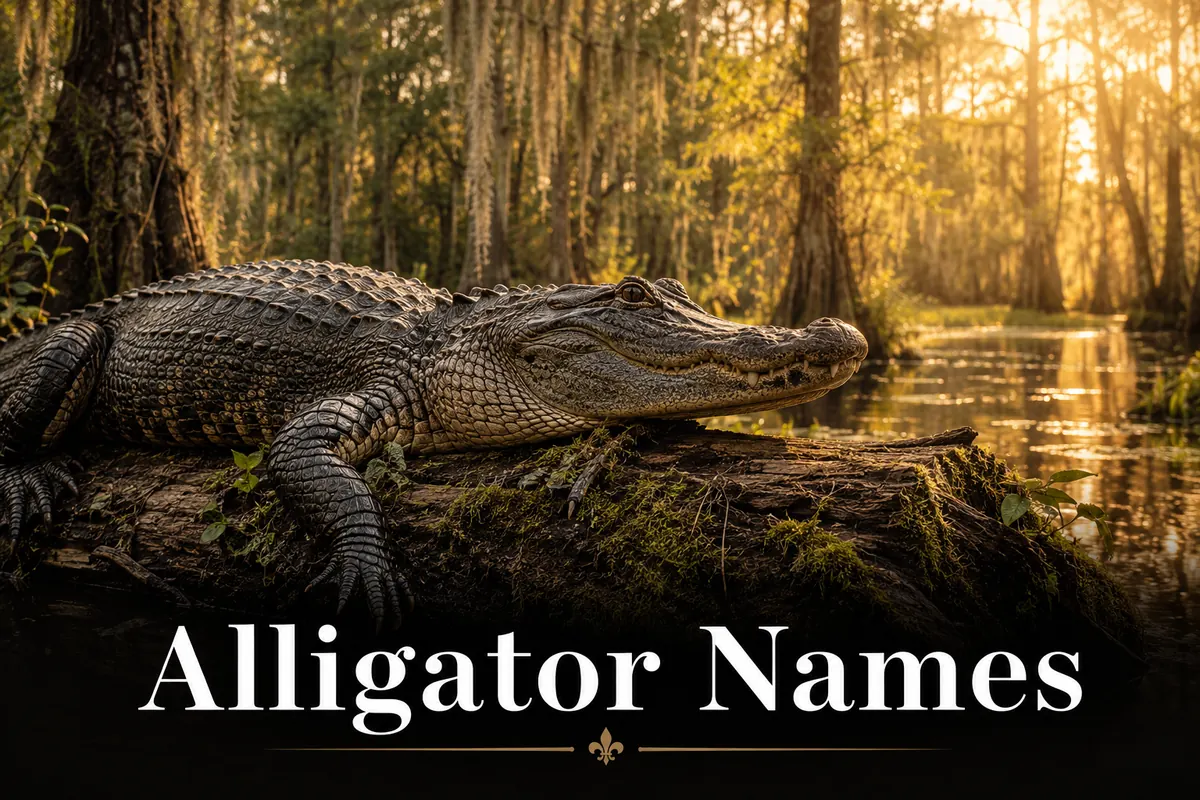
Good alligator names lean into the animal’s real character: broad snout, armored hide, patient stillness followed by a burst of speed.
Whether you’re naming an intake animal at a wildlife rescue, a mascot, a plush toy, a backyard pond’s unofficial resident, or a fictional swamp beast, the names below are grouped by tone classic, fierce, funny, Southern, nature-based, and more so you can find one that actually fits instead of scrolling through a wall of random words.
Why Naming an Alligator Is Different From Naming Most Pets
I spent a summer volunteering at a reptile rescue, and the intake sheet always had a blank line for “name” right under “species.” Nobody warned me how hard that blank line would be.
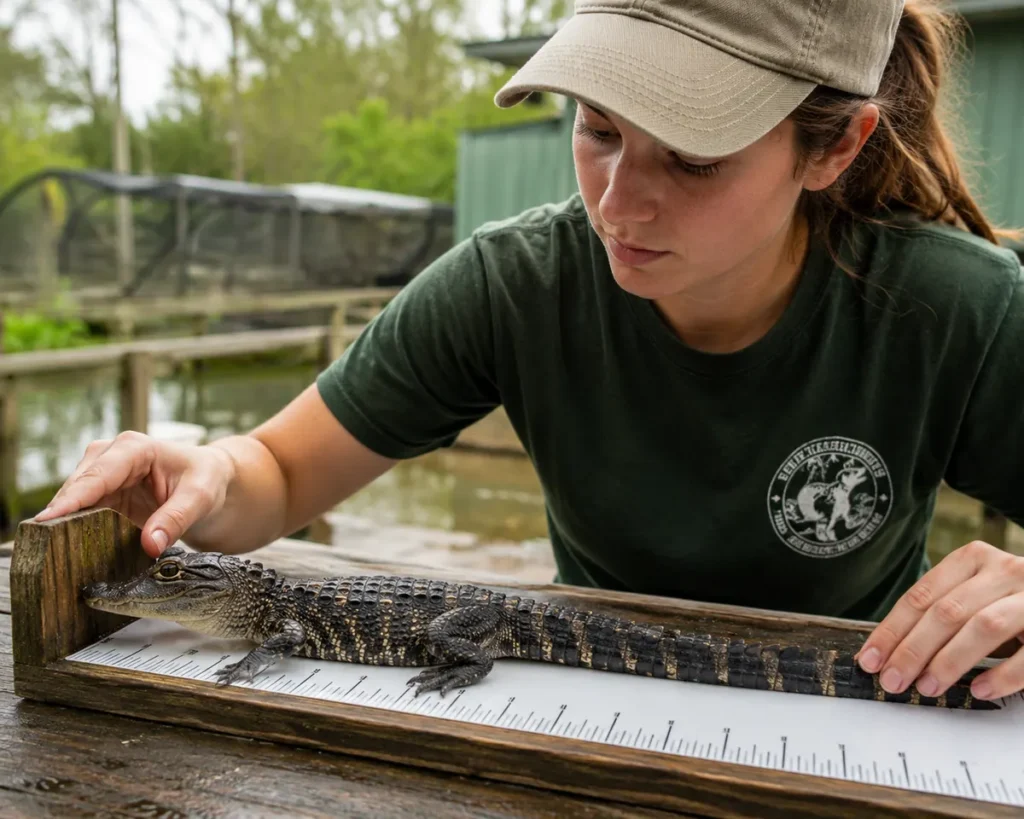
You can’t call a two-foot juvenile alligator “Sir Bites-a-Lot” and then keep a straight face six months later when it’s four feet and its jaw could genuinely do damage. The names that stuck around the longest weren’t the loudest ones they were short, said the animal’s personality out loud, and didn’t try too hard.
That’s the standard this list holds itself to. Every name below comes with a short note on why it fits, not just a bare word dropped into a pile.
A quick note before the list: in most places, keeping a pet alligator is either restricted, permit-only, or outright illegal, and rules vary a lot by state and country. If you’re naming a real animal rather than a mascot, character, or pond visitor, check your local wildlife agency’s rules first this article covers naming, not ownership law.
Alligator Facts Worth Knowing Before You Pick a Name
| Fact | Detail |
|---|---|
| Living species | American alligator (Alligator mississippiensis) and Chinese alligator (Alligator sinensis) |
| Typical range | American alligators live in the southeastern U.S., mainly Florida and Louisiana wetlands |
| Size | Males often reach 10–13 feet; females are usually smaller, generally under 9 feet |
| Lifespan | Roughly 30–50 years in the wild, sometimes longer in captivity |
| Snout shape | Broad and U-shaped the easiest way to tell an alligator from a crocodile at a glance |
| Informal terms | Some handlers and hunters use “bull” for a large male and “cow” for a female, borrowed loosely from cattle terms |
That snout detail matters more than people think when picking a name. A blunt, wide-jawed animal reads differently than a narrow-snouted crocodile, and a lot of the names further down lean on that visual difference on purpose.
Classic & Popular Alligator Names
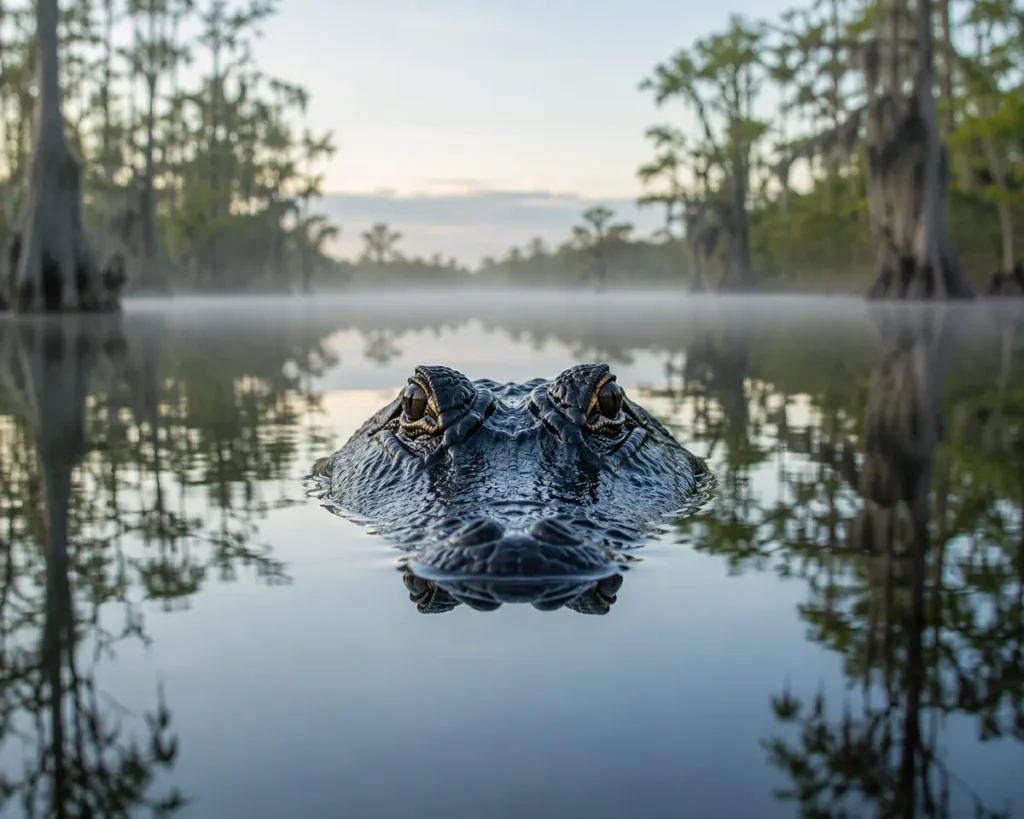
Straightforward names that work for a real animal, a mascot, or a story character without trying too hard.
- Gus — short, easy to call out, doesn’t sound like it’s trying to be scary
- Duke — a steady, old-fashioned name that suits a calm, slow-moving animal
- Chomper — the most obvious name in the pile, and it works precisely because it’s obvious
- Snap — one syllable, matches the signature move
- Gator — the plainest option, and sometimes the plainest option is the right one
- Marsh — nods to the habitat without being a full sentence
- Rex — Latin for king, a common go-to for anything with a big jaw
- Bo — short and casual, good for a calmer animal
- Clyde — an old Southern-sounding name with some charm
- Finn — simple, works for water-loving animals of any kind
- Tank — for a heavy-bodied, slow-moving individual
- Otis — old-fashioned and a little goofy, good contrast for a fierce-looking animal
- Moss — quiet, environment-inspired, low-key
- Grit — short for an animal with a rough, weathered look
- Scout — works well for a curious or more active individual
- Bayou — a direct nod to the wetland habitat
- Stone — for a still, statue-like basker
- Rusty — good for an animal with a reddish-brown tint to its scales
- Boone — frontier-sounding, rugged
- Wade — literal and a little punny, given how much time alligators spend in water
- Hank — plain, friendly, easy to shout
- Cooper — a common name that reads calm rather than fierce
- Digger — for an animal known for burrowing into mud banks
- Murphy — an unexpected, friendly-sounding option
- Zeke — short, has some Southern flavor
- Gunner — for a bolder, more assertive individual
- Chester — old-fashioned, a little formal
- Beau — Southern-flavored, short and warm
- Levi — simple and works across genders
- Turner — solid, no-nonsense
- Bruno — a strong, heavy-sounding name for a large animal
- Jax — short, modern, easy to say fast
- Colt — energetic-sounding, good for a younger or faster animal
- Otto — a little quirky, works well as a nickname too
- Reed — nods to the marsh grass without over-explaining itself
- Grady — steady, old-Southern, understated
Male Alligator Names
Names that lean masculine, from rugged to relaxed.
- Diesel — heavy, mechanical-sounding, fits a bulky animal
- Maverick — for an independent, unpredictable individual
- Bruiser — obvious but honest
- Axel — sharp-sounding, works for a faster or more alert animal
- Ranger — fits an animal that patrols the same stretch of water daily
- Knox — short, blunt, easy to say
- Titus — Roman-sounding, adds some weight
- Sarge — for a no-nonsense, older-acting individual
- Cash — plain and confident
- Bear — borrowed from a different apex predator, still works
- Wyatt — Western-sounding, rugged
- Orion — for an animal you associate with quiet, watchful stillness
- Talon — sharp-sounding without being over the top
- Hollis — Southern and understated
- Crockett — a nod to frontier history, good for a Southern-raised gator
- Anders — a slightly unusual pick that stands out from the crowd
- Judge — for a still, watchful animal that seems to be sizing everything up
- Copperhead — borrowed snake terminology, works for a reddish or coppery gator
- Marlow — soft-sounding but still solid
- Boaz — biblical, strong, uncommon
- Otis Ray — a double-name with real Southern flavor
- Sledge — heavy and blunt
- Denver — surprising but works as a strong, place-based name
- Cyrus — regal-sounding without being fussy
- Beauregard — a classic, almost theatrical Southern name great for a gator with a big personality
- Flint — hard, sparks-off-a-rock energy
- Hoyt — Southern, short, plain
- Duval — a nod to the north Florida county, works well for a Jacksonville-area gator
- Tobias — a softer, longer name for a calmer individual
- Remy — Cajun-flavored and easy to say
- Jasper — stone-toned, quiet strength
- Silas — old-fashioned, a little mysterious
- Emory — unexpected but grounded
- Boone Jr. — for a smaller or younger animal near an older “Boone”
- Gideon — biblical weight, works for a larger animal
- Marsh King — a title-style name for the biggest, oldest gator in a pond
Female Alligator Names
Names ranging from soft to sharp, matched to a female alligator’s own range from patient nest-guarder to fast-moving hunter.
- Delta — a direct nod to river delta habitat
- Willow — soft, plant-based, works for a calmer individual
- Ruby — for an animal with reddish undertones in its scales
- Sable — dark and sleek
- Cleo — short for Cleopatra, regal without being overdone
- Marina — water-themed, elegant
- Ivy — plant-based, understated
- Nola — short for New Orleans, a strong regional pick
- Bayou Belle — leans hard into the Southern setting, works for a showier individual
- Frost — good for a gator with a pale or silvery cast to its hide
- Coral — water-adjacent without being generic “ocean” imagery
- Juniper — plant-based, a little wilder-sounding than Willow
- Marsh Rose — a softer compound name for the wetland habitat
- Vera — short, classic, plain
- Odessa — has some weight and history to it
- Fern — plant-based, quiet
- Talulah — Southern-sounding, has real charm
- Georgia — a place-based name that fits the alligator’s home range
- Delphine — French-flavored, fits Cajun-country naming
- Storm — for a more assertive, faster-moving individual
- Camille — Southern-flavored, a little formal
- Marlowe — soft, literary
- Scarlett — for a gator with warm reddish tones
- Nutria — a wetland-animal nod (used tongue-in-cheek, not literal)
- Louisiana — bold and literal, for an animal you want people to immediately place
- Hazel — plain, warm, works well as a friendly-sounding option
- Opaline — for an animal with a slightly pale or milky scale tone
- Marguerite — old Southern name, has some grandeur to it
- Iris — plant-based, short
- Odalys — an uncommon pick that still reads soft
- Verity — unusual, has a calm sound to it
- Delcie — old Southern name, rarely used elsewhere
- Winnie — friendly, short, easy to shout
- Marsh Lily — leans into wetland plant imagery
- Adeline — soft and classic
Tough & Fierce Alligator Names
For an animal real or fictional that leans into raw intimidation rather than charm.
- Razor — blunt, no explanation needed
- Warden — for an animal that seems to control its stretch of water
- Havoc — chaotic energy, works for an unpredictable individual
- Ironjaw — leans on the animal’s actual bite strength
- Brimstone — dramatic, works well for fiction
- Skulltooth — visceral, fits a bigger, older animal
- Wrath — one word, does the job
- Bonecrusher — blunt and obvious, which is the point
- Grimwater — combines the habitat with a darker tone
- Doomtide — dramatic, leans fictional
- Ravager — heavy, works for villain-coded characters
- Nightfang — for a nocturnal or dark-scaled individual
- Thornback — nods to the ridged scutes down an alligator’s back
- Deadbolt — mechanical-sounding, plays on the jaw-lock reputation
- Cutthroat — old pirate-adjacent slang, works for a fiction-leaning name
- Ashscale — post-fire imagery, dark and dramatic
- Rampart — a fortress-style name, fits a still, defensive animal
- Slaughterjaw — extreme, best kept to fiction or gaming characters
- Warbrand — heavy fantasy energy
- Cinderfang — combines fire imagery with the bite
- Deathgrip — literal and blunt
- Hellmaw — dramatic, fiction-leaning
- Stormjaw — combines weather imagery with the bite
- Blackwater Beast — leans into the murky-water aesthetic
- Doomscale — heavy and villain-coded
- Graveltooth — rough, textured-sounding
- Nightreaper — dark and dramatic, fits horror or fantasy framing
- Ironhide — armored-skin imagery
- Boneyard — grim, fits an older or scarred-looking individual
- Wretch — short, ugly-sounding on purpose
- Marrow — visceral, one word
- Fangor — invented-sounding, reads as a proper name rather than a description
- Brutalis — Latin-adjacent, sounds official and heavy
- Cataclysm — over-the-top, best for fiction
- Widowmaker — dramatic and blunt, borrowed from old vehicle and weapon naming traditions
Funny & Goofy Alligator Names
The contrast between a genuinely dangerous animal and a silly name is most of the joke here.
- Gary the Gator — plain human name plus species, instantly funny
- Sir Snapsalot — mock-formal title with an obvious pun
- Chompy — as basic as it gets, which is the appeal
- Waffles — food-based, no reason at all, which is why it’s funny
- Toothless — an ironic name given how many teeth alligators actually have
- Pudding — soft food name for a hard, armored animal
- Nugget — small-sounding name for a large animal, works especially well on a full-grown one
- Biscuit — Southern comfort-food name, cozy contrast
- Snappy McSnapface — riffs on the internet naming trend
- Marsh Mellow — a pun on marshmallow, doubles as a habitat joke
- Doodlebug — cutesy, absurd for something this size
- Grumpy Gus — personality-forward, works if the animal really does seem irritable
- Squishy — deliberately wrong, since nothing about an alligator is squishy
- Big Softy — ironic, works well for a slow, docile animal
- Chunk — plain and blunt, works for a heavier-bodied individual
- Puddin’ Pop — Southern, silly, has a little rhythm to it
- Slick — for an animal that seems to think it’s smoother than it is
- Gatorbutt — juvenile but genuinely funny for a kid-naming context
- Tater — Southern, food-based, casual
- Lumpy — for an animal with a rougher, bumpier hide texture
- Sir Reginald Snap — mock-aristocratic, full comic effect
- Croissant — food-pun name, works especially well because it sounds nothing like a reptile
- Doofus — blunt and affectionate
- Puddles — plays on the wetland habitat in a cute way
- Chubbs — for a rounder-bodied individual
- Snacc — internet-slang joke, works for social media naming
- Grandpa Snap — for an older, slower-moving animal
- Wobbles — plays against the alligator’s actual smooth, low-slung walk
- Bitey — plain and self-explanatory
- Gumbo — Southern food name with real regional roots
- Sir Chompington III — over-the-top formal name, full comedic effect
- Noodle — deliberately mismatched with a heavily armored animal
- Marshmallow — soft food name, ironic contrast
Swamp & Nature-Inspired Names
Names pulled straight from the wetland habitat alligators actually live in.
- River — the most direct habitat-based name available
- Cypress — named for the swamp trees alligators are often photographed near
- Moss — nods to the Spanish moss common in Southern wetlands
- Reed — marsh-grass imagery
- Fog — for early-morning basking scenes on the water
- Thicket — dense-vegetation imagery, fits a hard-to-spot animal
- Silt — for the muddy riverbed alligators often bury into
- Driftwood — floating-log imagery, plays on how still alligators can look in water
- Mangrove — coastal wetland tree, fits a saltwater-tolerant individual
- Tidewater — for alligators in brackish, coastal marsh zones
- Heron — borrowed from a wetland bird that shares the same habitat
- Everglade — a direct nod to Florida’s most famous wetland
- Marsh Fog — combines two habitat elements into one calmer name
- Sedge — a specific wetland grass, less common as a name
- Backwater — for a still, out-of-the-way pond resident
- Duckweed — the tiny plant that often coats still gator ponds
- Loblolly — named after the pine common across the Southeast
- Tupelo — a swamp tree species, has a nice sound as a name
- Palmetto — Southern plant imagery, has real regional identity
- Estuary — where fresh and salt water meet, fits a coastal individual
- Mudflat — blunt, habitat-accurate
- Backswamp — leans hard into the wetland setting
- Egret — another shared-habitat bird name
- Wetfoot — playful but habitat-accurate
- Slough — a real wetland term (pronounced “slew”), regionally accurate
- Cattail — a common marsh plant, soft-sounding as a name
- Fenwick — old English for “marsh village,” a deeper-cut option
- Bogwater — heavy, atmospheric
- Driftfog — combines two atmospheric elements
- Canebrake — named after dense river-cane thickets found across gator habitat
- Palmwood — Southern tree imagery
- Waterlily — soft plant imagery, works well for a calmer individual
- Marshtide — combines two habitat words into one flowing name
- Backbayou — leans hard into regional wetland identity
- Greentide — algae-covered pond imagery, common in still gator waters
Unique & Unusual Alligator Names
For anyone who wants something further from the obvious swamp-and-fang pile.
- Onyx — for a very dark-scaled individual
- Cobalt — an unexpected color name, works for a bluish-grey cast
- Ember — warm color imagery, contrasts nicely with a cold-blooded animal
- Vesper — evening-themed, quiet and a little mysterious
- Halcyon — calm-water imagery, an uncommon literary pick
- Solace — soft, unexpected for an intimidating animal
- Quartz — stone-toned, understated
- Sable Moon — combines a dark-color name with a softer image
- Marrow Vale — invented place-name feel, works well for fiction
- Lumen — Latin for light, an unusual contrast name
- Petra — Greek for “stone,” fits a still, armored animal
- Wren — a small-bird name that works well ironically on a large gator
- Cove — quiet, water-based, understated
- Thistle — plant-based but sharper-sounding than most floral names
- Basalt — volcanic stone, dark and heavy
- Nyx — Greek goddess of night, short and striking
- Umber — a rich brown color name, matches real gator hide tones
- Solstice — seasonal, has a nice rhythm
- Marrow — visceral but short enough to work as a real name
- Vale — quiet, landscape-based
- Tarn — an old word for a small mountain lake, unusual for a swamp animal
- Selkie — borrowed from Celtic folklore, a water-creature myth
- Amara — soft-sounding, means “eternal” in several languages
- Corvid — a nod to crows and ravens, works for a dark, watchful animal
- Driftwood Moon — combines two atmospheric images
- Basswood — tree-based, understated
- Ferrous — iron-toned, industrial-sounding
- Cinder — ash-toned, quiet intensity
- Loam — rich soil imagery, earthy and specific
- Marlstone — a real sedimentary rock, fits a muddy habitat
Cajun & Southern-Style Alligator Names
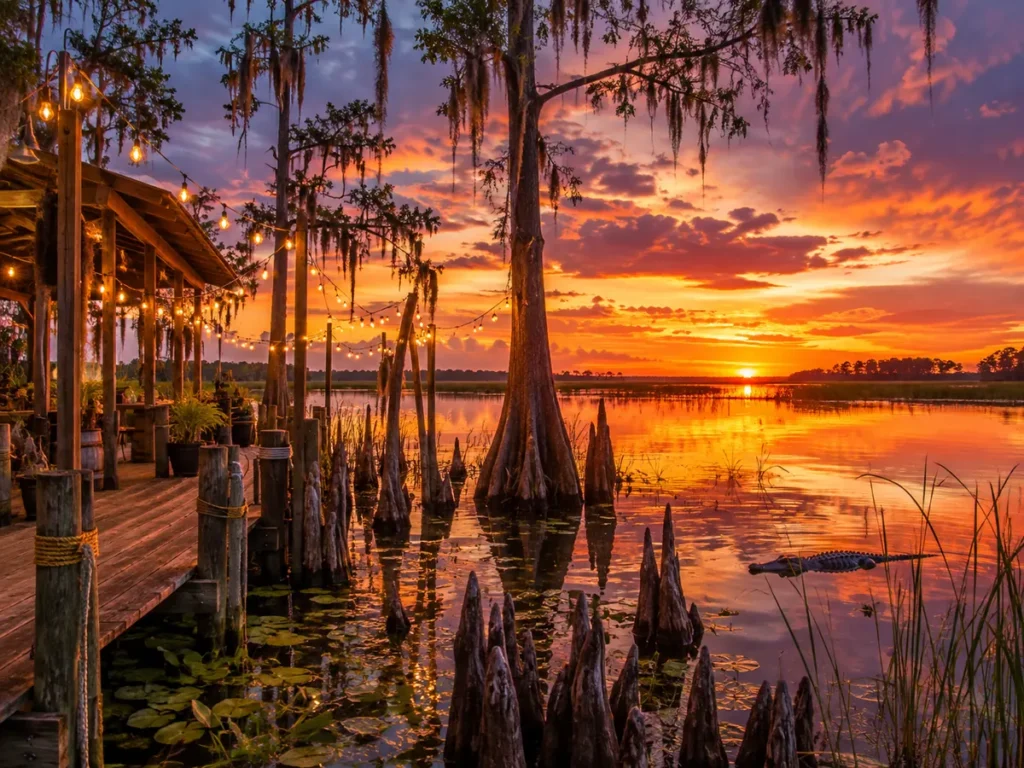
Alligators are woven deep into Louisiana and Gulf Coast culture, so regional and French-influenced names carry real weight here rather than feeling random.
- Boudreaux — a well-known Cajun surname, often used as a first name for characters and pets alike
- Thibodeaux — another classic Cajun surname with strong regional identity
- Remy — short, French-rooted, common across Louisiana
- Etienne — the French form of Stephen, fits a more formal-sounding gator
- Gaston — French, has a bold, theatrical sound
- Belle Chasse — named after the Louisiana community, has real local flavor
- Pontchartrain — named after the lake, bold and specific
- Cajun Pete — informal, playful, leans into the regional identity directly
- Fontenot — another common Louisiana surname
- Landry — Cajun surname, short and easy to say
- Gumbo Jack — food-and-name combo with strong regional roots
- Delacroix — French for “of the cross,” has real weight and history
- Baton Rouge — bold, literal, place-based
- Evangeline — named after the Acadian folk heroine, has real Louisiana history behind it
- Bayou Pierre — combines habitat and a classic French first name
- Ti-Jean — Cajun French for “Little John,” a real regional naming tradition
- Chere — Cajun French term of endearment, soft and warm
- Broussard — a common South Louisiana surname
- Old Man Bayou — a folksy, storytelling-style name for an older animal
- Pelican — the Louisiana state bird, works as a proud regional nickname
- Cypress Boudreaux — combines habitat and Cajun surname for extra flavor
- Gator Gaston — leans into the species name directly with a Cajun twist
- Marigny — named after the historic New Orleans neighborhood
- Toulouse — has both French and New Orleans street-name associations
- Delta Dan — Southern, plain, easy to shout
- Ol’ Bayou — an affectionate, storytelling nickname
- Magnolia — the Louisiana and Mississippi state flower, soft and regional
- Cajun Belle — feminine, regionally flavored
- Gris-Gris — a term from Louisiana folk tradition tied to charms and luck, best used lightly and respectfully rather than as a costume name
- Honey Island — named after the real Louisiana swamp famous for its own “monster” legend
Names That Work for Alligators and Crocodiles Alike
If you’re not sure which reptile you’re actually naming, or you want a name flexible enough for either, these lean on traits both animals share rather than alligator-specific ones.
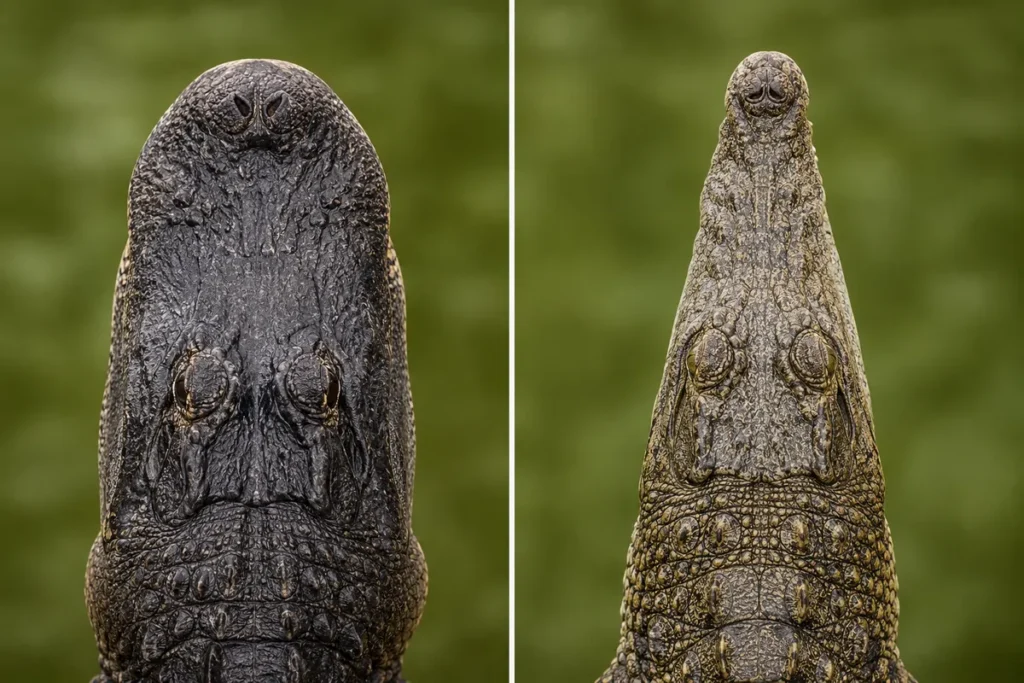
For crocodile-specific ideas with a different set of options, our crocodile names guide covers that side in more depth, and if you’re specifically naming a male, the male crocodile names list has more options built around that.
- Nile — works better for crocodiles specifically (Nile crocodiles), but reads fine on either
- Snap — generic enough to fit either animal without confusion
- Scute — named after the bony, ridged scales both animals share
- Ancient — both alligators and crocodiles descend from lineages that predate most modern reptiles
- Predator — blunt, applies equally
- Basker — describes the sun-warming behavior both animals rely on
- Stillwater — both animals are known for near-motionless waiting
- Lurker — applies to hunting style rather than species
- Reptilian — plain and species-neutral
- Cold Snap — a pun on cold-bloodedness that works for either
- Waterlock — generic bite-and-hold imagery
- Jawline — a light pun that doesn’t lean on any one species trait
- Scalewick — invented-sounding, avoids species-specific cues entirely
- Fossil — nods to how little crocodilian anatomy has changed over millions of years
- Sentinel — still and watchful, fits either animal’s ambush style
- Undertow — water-based, species-neutral
- Marsh Guard — protective, habitat-based rather than species-specific
- Old Hide — a folksy nickname that works for either
- Camo — nods to how well both animals blend into murky water
- Snoutish — playful and deliberately vague on species
- Deadlock — bite-hold imagery, applies to both
- Waterwatch — describes the eyes-just-above-the-surface pose both animals use
- Riverlurk — combines habitat and hunting style
- Scalefang — generic reptile-predator imagery
- Tideguard — coastal-habitat name that fits saltwater-tolerant individuals of either species
- Hidebound — plays on the tough, armored skin both animals have
- Croc-or-Not — a tongue-in-cheek name for when you genuinely aren’t sure which one you’re looking at
- Torpid — a real biological term for the slow, low-energy state both animals enter in cooler weather
- Ambusher — describes the hunting method both species rely on
- Splashback — water-based, playful
- Mudwatch — describes the low, still basking pose both animals share
Baby Alligator (Hatchling) Names
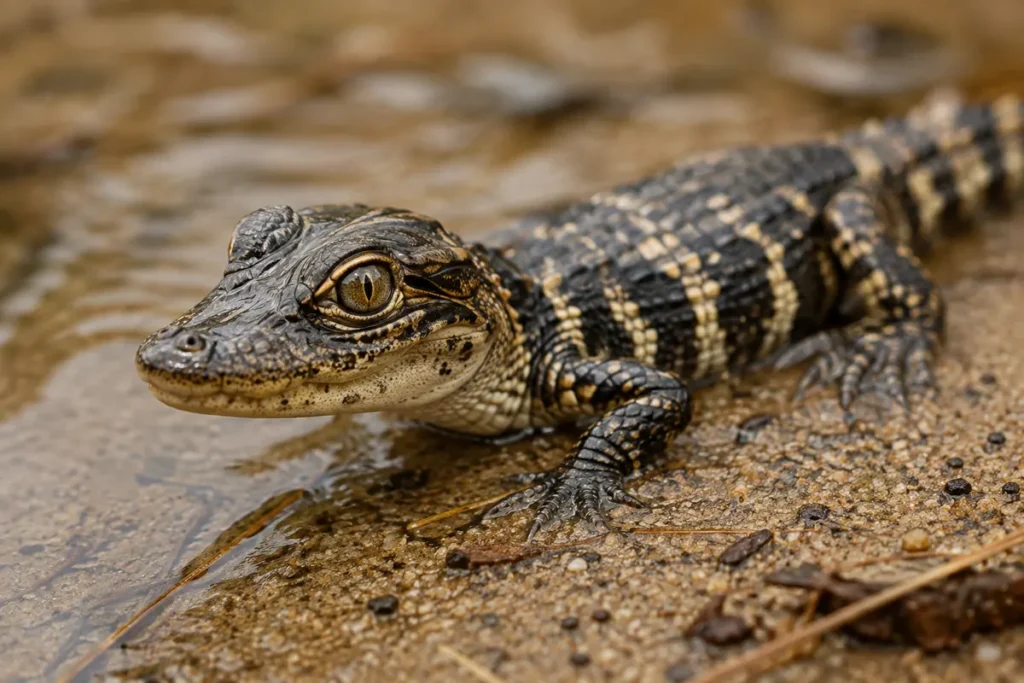
Alligator hatchlings are around eight to nine inches long, high-pitched-chirping, and nothing like the adults they’ll grow into. Names here lean small and playful worth remembering that a hatchling name may not suit the four-foot juvenile it becomes in a couple of years.
- Peep — named for the chirping sound hatchlings actually make
- Pip — short, classic “small creature” name
- Sprout — growth-themed, fits a young animal
- Tadpole — technically the wrong species, but the small-and-aquatic image works
- Bitsy — plain and size-appropriate
- Egglet — playful nod to the hatching process
- Squirt — small and energetic-sounding
- Nib — short for “nibble,” size-appropriate
- Chip — small, sharp-sounding
- Fry — borrowed from fish terminology for young animals, works loosely here too
- Speck — tiny and specific
- Dot — plain, size-focused
- Hatch — literal and direct
- Nubbin — Southern slang for something small, has real regional charm
- Twiggy — thin-and-small imagery
- Minnow — borrowed from small fish, fits a tiny aquatic animal
- Scoot — energetic, matches how fast hatchlings can move
- Tiny Tank — a size-contrast joke, since even hatchlings are built solid
- Freckle — hatchlings often have lighter cross-banding on their scales
- Wiggle — matches the quick side-to-side swimming motion
- Baby Snap — plain and literal
- Chirp — another nod to the vocal sound hatchlings make
- Puddle Jumper — playful, matches small-pond behavior
- Half-Pint — Southern, size-focused, affectionate
- Nestling — technically a bird term, but the “just out of the nest” imagery works
- Stub — for a hatchling with a still-short tail relative to its body
- Little Bayou — a scaled-down version of a regional name
- Bean — small and simple
- Junior — plain, works alongside an adult’s existing name
- Newling — invented-sounding but reads clearly as “new arrival”
Famous Alligators in Movies, TV & Folklore
These names work well if you want a naming inspiration your audience will recognize. Note: this site isn’t affiliated with any of the studios, shows, or publishers behind these characters they’re listed here purely as naming inspiration, the same way “Max” or “Bella” get used regardless of who owns the film they came from.
- Louis — the jazz-loving alligator from Disney’s The Princess and the Frog
- Wally — the title character of the classic Hanna-Barbera cartoon Wally Gator
- Leatherhead — a long-running Teenage Mutant Ninja Turtles character
- Ben — one half of the “Ali and Ben Ali Gator” duo from an old Disney short
- Old Gator — a generic folk-tale archetype used across a lot of Southern storytelling
- Albert — a common cartoon-alligator naming choice across several animated shorts
- Big Al — a nickname pattern used repeatedly for oversized fictional gators
- Croaker — a folk-nickname style used in regional swamp-monster stories
- Marsh Baron — a title-style name fitting for a villain-coded fictional gator
- Swampy — a generic but well-worn cartoon-gator name
- Gatorbait — a slang term with real Southern roots, sometimes used as a tongue-in-cheek character name
- Old Joe — the name given informally to several real long-lived alligators kept at zoos and parks over the decades
- Deacon — a folksy, storytelling-style name for an older, wiser-acting gator character
- Tooth — a blunt nickname used in several regional legends
- The Ghost Gator — a folklore archetype describing an unusually pale or rarely-seen individual
- Grandfather Gator — a respectful folk title for an old, oversized swamp resident
- Ol’ Snapper — a generic Southern folk name for a notorious local gator
- Legend — for an animal with a genuine local reputation
- Mossback — a folk term for an old alligator whose shell has grown algae, sometimes used as a nickname
- Whitey — a folk nickname historically used for rare albino or leucistic alligators
- Bayou Bandit — a playful outlaw-style folk name
- Cypress King — a title-style folk name for the dominant gator in a stretch of swamp
- Deep Hole Gator — a real regional nickname pattern used for alligators known to live in a specific deep pool
- Old Timer — plain, respectful, fits a genuinely long-lived individual
- Sentinel Sam — a folksy name for a gator that guards the same spot for years
- The Watcher — a folklore-style title for a still, rarely-seen animal
Bonus: Alligator Names With Real Meanings
A short table of names with meanings you can actually stand behind, pulled from real word origins rather than invented backstories.
| Name | Meaning | Best For |
|---|---|---|
| Rex | Latin for “king” | A large, dominant individual in a group |
| Fortis | Latin for “strong” or “brave” | A bold, confident animal |
| Umbra | Latin for “shadow” | A dark-scaled or rarely-seen individual |
| Terra | Latin for “earth” | A heavy, ground-hugging basker |
| Nox | Latin for “night” | A nocturnal or dark-colored gator |
| Aurum | Latin for “gold” | An animal with warm, golden-brown tones |
| Ferox | Latin for “fierce” | A genuinely bold or defensive individual |
| Petra | Greek for “stone” | A still, statue-like basker |
| Chronos | Greek for “time” | An especially old, long-lived animal |
| Xanthe | Greek for “golden” or “yellow” | A lighter-colored gator |
| Bayou | French/Choctaw-derived word for a slow-moving wetland stream | Any Southern-habitat gator |
| Pontchartrain | Named after the real Louisiana lake | A gator with strong regional ties |
| Everglade | Named after the real Florida wetland | An animal from Florida’s wetland systems |
| Torpid | A real biological term for a slowed, low-energy state | A gator basking through cooler weather |
| Scute | The real anatomical term for an alligator’s bony back-plates | A heavily armored, ridge-backed individual |
| Mississippiensis | Part of the American alligator’s actual scientific name | A trivia-loving owner’s pick for a Southern gator |
| Loam | A real soil type common in wetland habitats | A muddy-hided or ground-colored gator |
| Amara | Means “eternal” across several languages | A long-lived or especially calm individual |
| Solstice | Marks the year’s longest or shortest day | A gator born or found around a solstice date |
| Halcyon | Greek-rooted word for calm, peaceful conditions | A notably docile individual |
Quick A–Z Alligator Name Picks
One short option per letter, for anyone who wants a fast pick without scrolling the full lists above.
- A — Ash
- B — Bruno
- C — Cypress
- D — Delta
- E — Ember
- F — Finn
- G — Gus
- H — Hazel
- I — Ivy
- J — Jax
- K — Knox
- L — Louisiana
- M — Marsh
- N — Nola
- O — Onyx
- P — Pip
- Q — Quartz
- R — Rex
- S — Sable
- T — Tank
- U — Umber
- V — Vera
- W — Willow
- X — Xanthe (a Greek name meaning golden, fits a lighter-colored gator)
- Y — Yazoo (named after the Mississippi river)
- Z — Zeke
How to Pick From This List
Match the name to how the animal (or character) actually moves and looks, not just to a theme you like on paper. A slow, heavy basker suits Stone or Boulder far better than Bolt, no matter how much you like the sound of the second one.
Keep it short if you’re naming a real animal you’ll actually call by name. Two syllables or fewer carries better across water and outdoor space than anything longer.
If you’re leaning on a regional or cultural angle Cajun French names especially say it out loud a few times first. A name that reads fine on a page can land awkwardly if the pronunciation isn’t one you’re actually comfortable using.
For hatchlings, plan for growth. A name that’s funny on an eight-inch baby can feel mismatched on a four-foot juvenile a year later — either pick something that ages well, or accept that the name might shift as the animal grows, the way “Junior” often does.
Common Mistakes to Avoid
Picking a name before seeing the animal’s actual coloring or temperament. A name chosen from a screen before meeting the real animal often gets replaced within weeks once its personality shows up.
Overloading on horror-movie words. A whole list of “Doom,” “Death,” and “Slaughter” variants stops being intimidating and starts sounding like a word generator ran out of ideas pick one or two, not five.
Ignoring pronunciation for regional names. Cajun French names carry real weight in Louisiana naming culture; mangling the pronunciation undercuts the reason to use one in the first place.
Assuming “crocodile” and “alligator” names are interchangeable everywhere. Most work fine either way, but a handful like Nile, which points specifically to Nile crocodiles read oddly once you know the species reference. Our snake names and turtle names guides run into the same issue with species-specific names, if you’re naming other reptiles alongside a gator.
Forgetting the legal side entirely. If this is a real pet rather than a mascot or fictional character, the name is the easy part confirming it’s legal to keep the animal where you live comes first.
A Name That Actually Fits
The best alligator name isn’t the one that sounds toughest on paper it’s the one you’ll still be comfortable using once the animal’s real personality shows up, whether that’s a genuinely lazy basker who earns something like Stone, or a restless, fast-moving juvenile who ends up as Bolt within a week of intake.
If none of these feel quite right yet, our frog names and iguana names collections cover other wetland and reptile naming angles that sometimes cross over nicely with gator-themed ideas.
Frequently Asked Questions
It depends heavily on where you live. Some U.S. states allow it with a permit, others restrict it to licensed facilities, and many countries ban private ownership outright. Check your state wildlife agency or national equivalent before naming a real animal you plan to keep.
Mostly none both are large, armored, water-based reptiles, so most names cross over cleanly. The only place it matters is with names tied to a specific species or region, like Nile, which points to Nile crocodiles rather than alligators.
It’s common. A name that reads as cute on a small hatchling can feel mismatched a year or two later once the animal is several feet long, so some owners and keepers do shift the name or the way they say it as the animal matures.