Before the sun clears the hills of the Maremma, the yard is already awake. A buttero — one of Tuscany’s cattle herders — saddles his Maremmano horse in the half-light, the leather creaking, the swallows cutting low over the paddock. He calls the horse by name, one word, and the horse turns its head. The name rolls out across the wet grass the way Italian always does: open vowels, soft consonants, a sound that carries without shouting.
That is the whole secret of Italian horse names. They were made to be called out loud, across a field, at dawn.
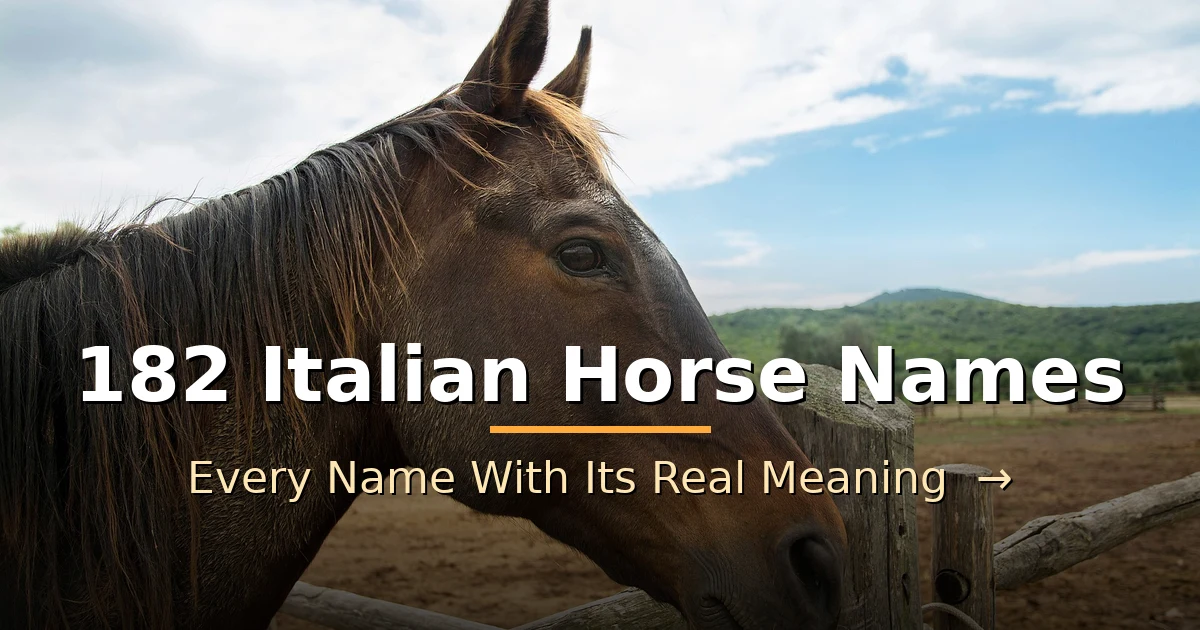
In short, Italian horse names work because the language itself is musical — open vowels, soft consonants, and meanings that run from moonlight to victory. This guide sorts 182 Italian horse names by what they mean: beauty, strength, speed, nature, music, saints, and real champions, so you can pick by the horse in front of you, not by the alphabet.
Why Italian Horse Names Sound So Good on a Horse
Italian is one of the easiest languages in the world to say out loud, and that is exactly what a horse name needs to be. Almost every word ends in a vowel, so names flow instead of stopping short. Say Luna, Stella, Forte — each one lands cleanly, with nothing swallowed at the end.
Three small rules will make you sound like you know what you are doing:
- Say every letter. Italian has no silent letters. The e at the end of Serenata is sounded, and the h in Chiara is silent only because ch is pronounced like a hard k — kee-AH-ra.
- Stress the second-to-last syllable. That is the default rhythm of the language: LOO-na, STEL-la, for-TAY, bel-LIS-si-ma. Get that right and you are most of the way there.
- Hold double consonants a beat longer. Bella is bel-LA, not Be-la. Stella has a long l. It is a small detail, but it is the difference between saying the name and saying it properly.
Endings also tell you something useful. Most Italian words ending in -o are masculine and most ending in -a are feminine — Bello for a handsome gelding, Bella for a beautiful mare. But plenty of the best names ignore the rule entirely: Sole (sun), Mare (sea) and Amore (love) suit either sex, and Andrea, for all its soft ending, is a man’s name in Italy. The FAQ at the bottom of this page covers the ending question in full.
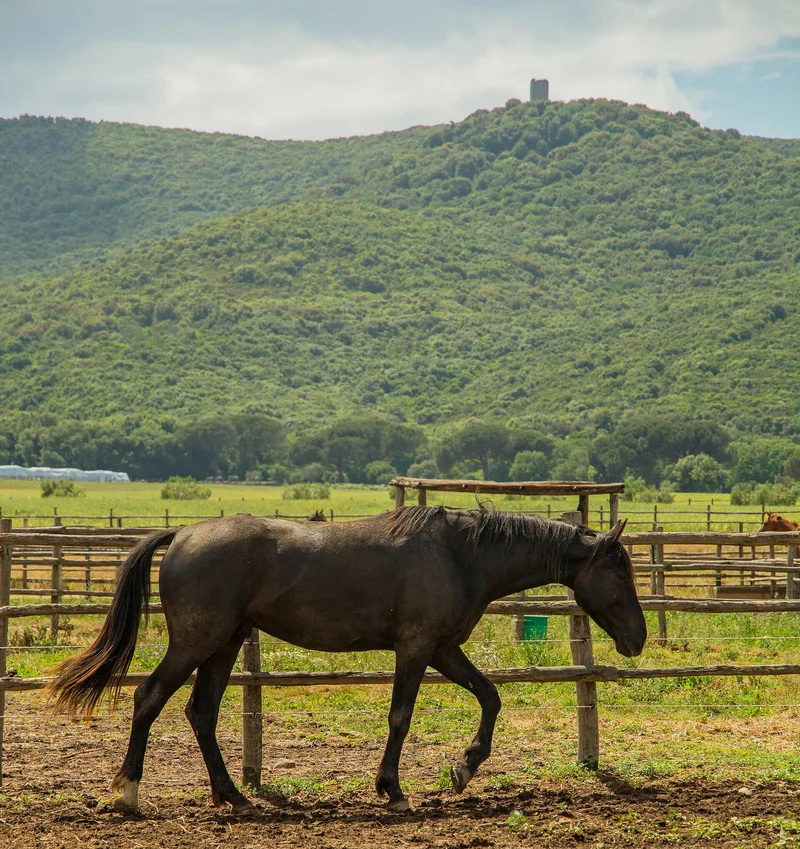
Italy has its own horses to match these names. The Maremmano is the tough working horse of Tuscany and northern Lazio, ridden by the butteri and said to descend from the horses of the Etruscans. The Bardigiano is the small, sturdy mountain breed of the Apennines around Parma and Modena, officially recognised in 1977. The dark-coated Murgese comes from Puglia, the Salernitano from the coast near Salerno, and the sure-footed Haflinger is bred in South Tyrol, in the Italian Alps.
Beauty & Grace: Italian Horse Names for a Lovely Horse
Start here if your horse stops people in their tracks — a beautiful mover, a pretty face, a horse that looks like it was drawn rather than born.
- Bella – beautiful. The classic, and still the best.
- Bellissima – most beautiful. For the mare who knows it.
- Bello – handsome. The masculine form of Bella.
- Grazia – grace. Elegant in every step.
- Eleganza – elegance. For the show-ring mover.
- Splendore – splendour. A horse that shines.
- Incanto – enchantment, charm. Hard to look away from.
- Meraviglia – wonder, marvel. For the horse that makes people stop.
- Perla – pearl. Soft white shine.
- Gioiello – jewel. Precious and bright.
- Rubino – ruby. Deep red and rare.
- Zaffiro – sapphire. Cool blue brilliance.
- Smeraldo – emerald. Green and vivid.
- Cristallo – crystal. Clear and sparkling.
- Seta – silk. For a coat that smooth.
- Velluto – velvet. Soft to the eye and the hand.
- Carina – pretty, cute. Small and sweet.
- Preziosa – precious. Worth more than gold.
- Tesoro – treasure. Because that is what they are.
- Diva – diva, star. For the horse who owns the arena.
- Regina – queen. Rules the herd.
- Principessa – princess. Young, proud, adored.
- Duchessa – duchess. Grace with authority.
- Contessa – countess. Quiet, old-money elegance.
- Luminosa – luminous, shining. Bright in any light.
- Serena – serene, calm. Nothing rattles her.
- Splendente – shining, radiant. For a gleaming coat.
- Raggiante – radiant. Glows from inside.
- Dolce – sweet. The kindest Italian word there is.
- Amore – love. The simplest reason to choose a name.
- Dolcezza – sweetness. For the gentlest horse in the barn.
- Caro – dear. Said with a smile.
For a golden-coated horse, these beauty names pair well with our palomino horse names — gold and grace belong together.
Strength & Courage: Italian Horse Names for a Bold Horse
Some horses walk into a field like they own it. These names are for them — the brave ones, the big movers, the horses that charge the jumps and never flinch at the far end of the arena.
- Forte – strong. One word, total power.
- Forza – strength, force. The word Italians shout from the sidelines.
- Leone – lion. Brave heart, proud mane.
- Leona – lioness. Fierce and regal.
- Orso – bear. Big, solid, unmovable.
- Lupo – wolf. Wild and watchful.
- Toro – bull. Power in the shoulders.
- Aquila – eagle. Sharp-eyed and high above it all.
- Roccia – rock. Nothing moves it.
- Granito – granite. Hard and lasting.
- Acciaio – steel. For the horse that never tires.
- Ferro – iron. Plain, heavy, honest.
- Diamante – diamond. The hardest thing there is, and the brightest.
- Coraggio – courage. Heart bigger than its body.
- Audace – bold, daring. Jumps first, thinks later.
- Fiero – proud, fierce. Head held high.
- Guerriero – warrior. Strong and fearless.
- Eroe – hero. Saves every ride.
- Campione – champion. Born to win.
- Vincitore – winner. For the horse that keeps coming first.
- Trionfo – triumph. Every ride feels like one.
- Vittoria – victory. Made for winners.
- Gloria – glory. Grand and unforgettable.
- Invincibile – unbeatable. The record speaks.
- Potente – powerful. Muscle in one word.
- Valente – brave, valiant. Old-fashioned courage.
- Ardito – bold, daring. For the horse that never backs down.
- Indomito – untamed, indomitable. Cannot be broken.
If your horse is big, black and built like a war horse, our Friesian horse names have more heavyweight ideas in the same spirit.
Speed & Wind: Italian Horse Names for a Fast Horse
Italy names its winds the way other countries name their saints — each one has a character, a direction and a temper. They are short, sharp, and they sound quick even standing still.
- Vento – wind. Fast and free-spirited.
- Veloce – fast. Quick in one clean word.
- Velocità – speed. The whole idea in a single name.
- Rapido – fast, rapid. Sharp off the mark.
- Fulmine – lightning. Fast and electric.
- Saetta – a lightning bolt. Strikes without warning.
- Lampo – a flash of lightning. Gone in a blink.
- Baleno – a flash of lightning. Bright and sudden.
- Turbine – a whirlwind. Spins and runs.
- Tempesta – storm. Wild and powerful.
- Tuono – thunder. You hear it coming.
- Bora – the cold north-east wind that sweeps the Adriatic coast.
- Maestrale – the strong north-west wind. Steady and hard.
- Scirocco – the hot south wind that blows up from Africa.
- Libeccio – the south-west wind. Warm and sudden.
- Tramontana – the north wind. Cold, clean, unstoppable.
- Zeffiro – the gentle west wind. Soft, but always moving.
- Corsa – a race, a run. For the horse that lives to run.
- Galoppo – gallop. The fastest gait, as a name.
- Volo – flight. For the horse that seems to fly.
- Freccia – arrow. Straight and true.
- Dardo – dart. Small, sharp, quick.
- Cometa – comet. A streak across the sky.
- Falco – falcon. Swift and sharp-eyed.
- Sparviero – sparrowhawk. A hunter in the air.
- Rondine – swallow. The fastest little bird of summer.
Wind names travel well across languages. If you like this group, our Arabian horse names have more desert-wind and endurance ideas, including Sirocco’s desert cousin.
Nature, Land & Sea: Italian Horse Names From the Country Itself
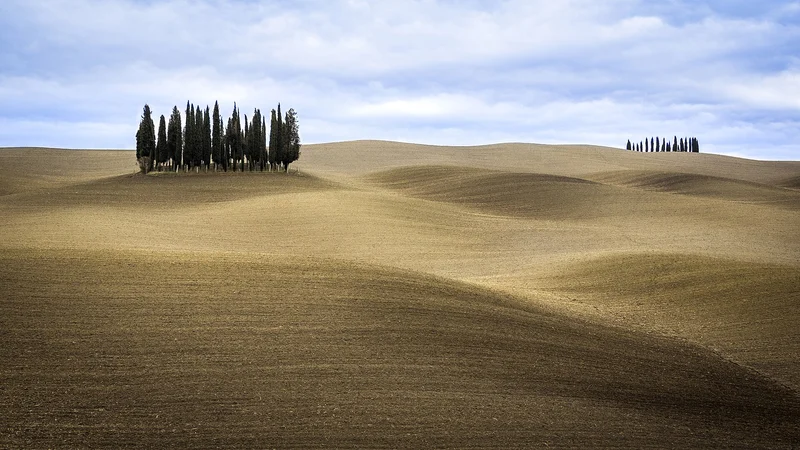
Italy is a long, narrow country, and every part of it sounds different — the Alps in the north, the cypress hills of Tuscany, the sea cliffs of the south. These names come from that land: mountains, rivers, trees, sky and sea. They suit horses that love the outdoors, and they age well — a name that means “mountain” still fits when the horse is twenty.
- Bosco – forest, wood. Calm and deep.
- Monte – mountain. Tall and steady.
- Collina – hill. Rolling and gentle.
- Valle – valley. Sheltered and green.
- Prato – meadow. Soft grass underfoot.
- Fiume – river. Always moving forward.
- Lago – lake. Deep and still.
- Ruscello – stream, brook. Bright and quick.
- Cascata – waterfall. Power and noise.
- Mare – sea. Moves like water.
- Onda – wave. Rises and falls.
- Isola – island. On its own, and fine with it.
- Ulivo – olive tree. Old, tough, and still giving.
- Cipresso – cypress tree. Tall, dark, unmistakably Tuscan.
- Quercia – oak tree. Strong roots, wide shade.
- Alloro – laurel. Honour and victory in one word.
- Alba – dawn. A new beginning.
- Tramonto – sunset. Warm and golden.
- Mezzanotte – midnight. Dark and quiet.
- Notte – night. Quiet and mysterious.
- Aurora – dawn. A fresh start every day.
- Sole – sun. Brightens every field.
- Luna – moon. Calm and silver.
- Stella – star. Shines in every class.
- Cielo – sky. Wide, calm, full of light.
- Nuvola – cloud. Soft and drifting.
- Arcobaleno – rainbow. Colour after rain.
- Rugiada – dew. Fresh morning on the grass.
- Neve – snow. Pure white, inside and out.
- Pioggia – rain. Soft and fresh.
Land and sky names are the oldest kind of horse name there is — people have named horses after the ground they run on for centuries. Our mustang horse names follow the same idea on the other side of the world, with herd lands and open range instead of cypress hills.
Music, Art & the Sweet Life: Italian Horse Names That Sing
Italian is the language of opera, and of the dinner table too. This group holds both halves of that life: the music words the whole world borrows from Italian, and the sweet-life words — coffee, ice cream, happiness — that make a horse’s name sound like a good day.
- Aria – air, and a beautiful melody in opera. Light and graceful.
- Melodia – melody. For a mover with rhythm.
- Armonia – harmony. Calm, balanced, easy.
- Ritmo – rhythm. For the horse that moves like music.
- Nota – a musical note. Short, sweet, and clear.
- Allegro – cheerful, and a lively tempo in music.
- Andante – at a walking pace. The tempo of a calm, steady horse.
- Vivace – lively, vivacious. Bright and full of energy.
- Presto – very fast. The quickest tempo there is.
- Crescendo – growing louder. Builds to something big.
- Sonata – sonata. A piece in several movements, like a good ride.
- Sinfonia – symphony. Grand and full.
- Violino – violin. Sweet-voiced and elegant.
- Arpa – harp. Gentle and golden.
- Coro – choir. Many voices, one sound.
- Tenore – tenor. The high, carrying voice.
- Maestro – master, teacher, conductor. For the horse that runs the lesson.
- Ballerina – ballet dancer. Light on her feet.
- Poesia – poetry. For the horse that looks like a poem.
- Canzone – song. Simple and lovely.
- Serenata – serenade. Sung under the window.
- Danza – dance. For the horse that floats at the trot.
- Espresso – espresso coffee. Small, dark, and full of energy.
- Gelato – ice cream. Sweet and cool.
- Prosecco – sparkling wine. Bright, bubbly, made for celebrating.
- Felicità – happiness. The whole point of a horse.
- Gioia – joy. Pure and simple.
- Sorriso – smile. For the horse that makes you grin.
Saints & Classics: Italian Horse Names With Two Thousand Years Behind Them
Italy names its children after saints, and its towns after them too — nearly every village has a patron saint and a feast day. These names have been in daily use for centuries. The second half of the list comes from Rome itself — emperors, poets and gods.
- Francesco – St Francis of Assisi; free man. Gentle and kind.
- Antonio – St Anthony of Padua; priceless. Warm and classic.
- Chiara – St Clare; clear and bright. Honest and open.
- Lucia – St Lucy; light. Warm and welcoming.
- Caterina – St Catherine of Siena; pure. Strong and steady.
- Benedetto – St Benedict; blessed. Calm and grounded.
- Giovanni – St John; God is gracious. Warm and classic.
- Giuseppe – St Joseph; God will add. Steady and traditional.
- Matteo – St Matthew; gift of God.
- Marco – St Mark; warlike, of Mars. Bold and strong.
- Luca – St Luke; bringer of light. Bright and quick.
- Paolo – St Paul; small. Big personality in a short name.
- Pietro – St Peter; rock. Solid and dependable.
- Andrea – St Andrew; manly and brave. A man’s name in Italy, whatever the ending suggests.
- Stefano – St Stephen; crowned. Born to win.
- Lorenzo – St Lawrence; laurel-crowned. A winner’s name.
- Nicola – St Nicholas; victory of the people.
- Rocco – St Roch, the pilgrim saint. Short, strong, easy to call.
- Cecilia – St Cecilia, patron saint of music. For the horse that moves like a song.
- Rosa – St Rose; a rose. Simple, classic, lovely.
- Filippo – St Philip; lover of horses. The most fitting saint’s name a horse can have.
- Michele – St Michael the archangel; who is like God. The protector.
- Augusto – Augustus, the first emperor; majestic, venerable.
- Cesare – Caesar. Command in one word.
- Aurelia – golden. The old Roman family name.
- Giove – Jupiter, king of the Roman gods.
- Marte – Mars, god of war. For the boldest colt in the barn.
- Diana – goddess of the hunt and the moon. Swift and sure.
- Minerva – goddess of wisdom. For the clever one.
- Nettuno – Neptune, god of the sea. Deep and powerful.
Rome borrowed its gods from Greece, and the Greek versions have their own stories — our Greek horse names guide covers Zeus, Apollo, Athena and the rest in full.
Famous Italian Horses: Names That Already Won
Italy has produced some of the greatest racehorses that ever lived, and their names carry real history. These are not invented names — each one belonged to a horse that actually ran, and won, in front of crowds that still remember them.
- Ribot – the greatest Italian racehorse of all. Bred by Federico Tesio, he was unbeaten in all 16 of his races, including the Prix de l’Arc de Triomphe twice, in 1955 and 1956.
- Nearco – unbeaten in 14 races, winner of the 1938 Derby Italiano and the Grand Prix de Paris, and one of the most important sires of the twentieth century — the great Northern Dancer descends from him.
- Tenerani – winner of the 1947 Derby Italiano and the Goodwood Cup in England, and the sire of Ribot himself.
- Varenne – the greatest trotter in history. Born in 1995 near Ferrara, he won 62 of his 73 races, including the Prix d’Amérique, and was named horse of the year in Italy, France and the United States.
- Tornese – the “flying sorrel” (sauro volante), the best trotter in the world before Varenne came along.
- Donatello II – Tesio’s favourite, winner of the 1937 Derby Italiano and later a leading sire in England.
- Braque – another Tesio champion, unbeaten in all 12 of his races.
- Cavaliere d’Arpino – unbeaten in five races, and the horse Tesio himself called the best he ever bred.
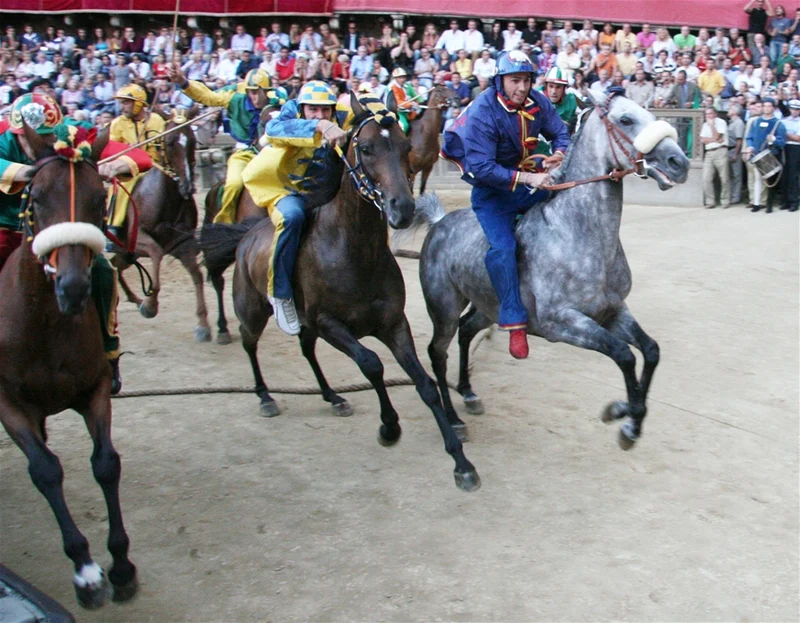
The man behind most of these names was Federico Tesio, the breeder from Dormello on Lake Maggiore, whose horses won the Derby Italiano 22 times. And every summer, Siena still runs the Palio, the bareback horse race around the Piazza del Campo — proof that Italy’s love of horses never went away.
For champions from every country, not just Italy, our famous horse names list covers racing, history and myth.
The Sound Test: Say It Out Loud Before You Choose
A name on a list is not a name on a horse. Before you commit, take your shortlist outside and try it the way you will actually use it.
Stand at the far end of the field and call each name once, in your normal voice — not a shout, not a whisper. The right one will carry on its own. Two syllables with a clear vowel travel best in wind: Luna, Forte and Stella pass this test every time. Longer names like Alessandra are beautiful on a show entry, but you will want a short barn name for daily use — call her Ale at home and keep the full name for the ring.
Then say it the way a stranger would. If a visitor cannot read it off the stable door and say it back to you, the name will spend its life being mispronounced. Italian is kind here: it is spelled the way it sounds.
Finally, listen to the name next to your horse’s voice — not the sound they make, but the animal in front of you. Watch them for a few days first. A quiet mare who follows you around the field is not a Tempesta, whatever the list says, and a colt who charges every fence is not a Dolce. The best Italian horse names do not just sound beautiful. They fit the horse that answers to them.
Still torn between two? Short, punchy barn names are a whole skill of their own — our ranch horse names guide explains why one or two syllables win in the field. And if you would rather browse by letter than by meaning, our A-to-Z horse names hub has 300+ names sorted alphabetically.
Frequently Asked Questions
How do you pronounce Italian horse names?
Every letter is sounded and words are spelled the way they sound. Stress the second-to-last syllable — LOO-na, STEL-la, for-TAY — and hold double consonants a beat longer, so Bella is bel-LA, not Be-la. The only common surprise is ch, which sounds like a hard k, as in Chiara (kee-AH-ra).
Do Italian horse names end in -o for boys and -a for girls?
Mostly, yes. Italian words ending in -o are usually masculine (Bello, Forte is an exception) and words ending in -a are usually feminine (Bella, Luna). But there are real exceptions: Andrea is a man’s name in Italy, and word-names like Sole, Mare and Amore suit either sex. When in doubt, pick the name for its sound and meaning, not its ending.
What is the most famous Italian horse name?
As a name to borrow, Ribot is the most famous — the unbeaten champion who won the Prix de l’Arc de Triomphe twice in the 1950s and is still talked about as one of the greatest racehorses ever. As a popular choice for everyday horses, Luna leads by a long way, followed by Stella and Bella. For something less common with the same beauty, try Alba or Serenata.
Which Italian breeds suit these names best?
They fit the Maremmano, the working horse of Tuscany and Lazio, and the sturdy mountain Bardigiano best, and they suit the Murgese of Puglia, the Salernitano of the southern coast and the Haflinger of South Tyrol too. But an Italian name suits any horse, from a Thoroughbred to a cob — the language is the point, not the breed.
Can I use an Italian horse name on a non-Italian breed?
Absolutely. A Quarter Horse called Luna or a Welsh Cob called Forte sounds just as right as on a Maremmano, because moon and strong are universal ideas. Italian names work on any breed, and they are easy for English speakers to say, which is half the battle with a horse name.
Are Italian horse names different in the north and the south?
The standard names on this page work everywhere in Italy, but the regions do have their own flavour. The north leans on older Lombard and Germanic names like Aldo (old, noble) and Bruno (brown), the south keeps more Greek and Spanish influence, and every town has its own patron saint — so a horse named Gennaro nods to Naples and one named Ambrogio nods to Milan. If your horse’s bloodlines trace to one region, a name from that region is a nice touch, but it is never required.
Photo credits: Featured photo: Maremmano horse by alexcap76, CC BY-SA 2.0, via Wikimedia Commons. In-article photos are credited under each image.

Hi, I’m Liam
I run Pet Names Lovers — every guide here starts from a question I’d want answered myself, researched properly, and written in plain English. I research, edit, and publish everything myself.